Why Engineered Hardwood Flooring Works So Well in Mountain Homes
Mountain homes bring unique challenges for flooring: fluctuating temperatures, humidity, and seasonal changes can wreak havoc on traditional solid hardwood. Engineered hardwood flooring, with its layered construction and top layer of real wood veneer, offers a resilient solution. This innovative flooring combines the natural beauty and warmth of hardwood with performance features designed to withstand the demands of mountain living. For homeowners seeking durability, aesthetic appeal, and versatility, engineered wood is a flooring choice that excels in both comfort and long-term value.
Durability and Performance in Mountain Environments
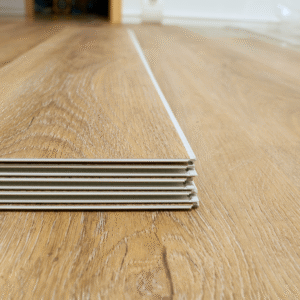
Mountain climates can be tough on traditional flooring, with temperature swings and humidity fluctuations causing warping or cupping. Engineered hardwood flooring, thanks to its multi-layered construction and plywood core, resists these environmental challenges, providing a stable surface year-round. For homeowners, this means a beautiful wood floor that withstands wear and tear, remains comfortable underfoot, and maintains its integrity through seasonal changes.
How Engineered Hardwood Handles Humidity, Temperature, and Seasonal Changes
Unlike solid wood, which can warp, cup, or expand dramatically in high-humidity or fluctuating temperatures, engineered hardwood’s multiple-layer construction stabilizes the floor. Each plank’s plywood or layered core resists the swelling and shrinking common in mountain climates, making it ideal for basements, second floors, and high-altitude homes. Homeowners can enjoy the beauty of a real wood floor without worrying about damage from moisture or temperature swings.
Scratch, Dent, and Wear Resistance for Busy Mountain Homes
Mountain homes are often bustling with activity, from family gatherings to pet paws running across the floors. Engineered hardwood floors come with a durable top layer that withstands daily wear and tear, including scratches, dents, and minor impacts. With the right finish, these floors retain their natural wood aesthetics even in high-traffic areas, ensuring that the floor maintains both beauty and functionality for years.
Wide Plank vs. Standard Plank: Performance and Aesthetic Considerations
Wide plank engineered hardwood offers a luxurious, open look that highlights the natural wood grain and enhances interior design. While standard planks are easier to replace in sections, wide planks provide a sophisticated aesthetic and smoother surface for expansive mountain living rooms. Choosing the right plank size balances visual appeal with practical performance in a home exposed to seasonal fluctuations.
Installation Advantages of Engineered Hardwood Floors
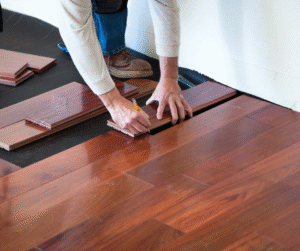
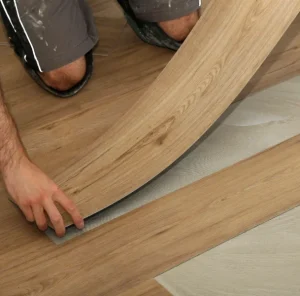
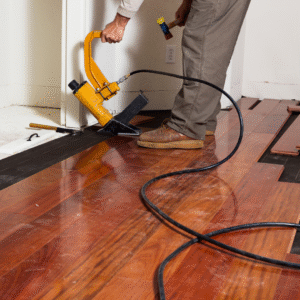
Engineered hardwood is designed to adapt to a variety of installation methods and subfloor conditions. From floating floors to glue-down and nail-down options, homeowners have flexibility for their mountain homes. This versatility reduces installation challenges, accommodates radiant heat systems, and can even save time compared to traditional solid hardwood installation. The result is a beautiful, stable floor that fits the unique demands of high-altitude living.
Floating, Glue-Down, and Nail-Down Options for Mountain Homes
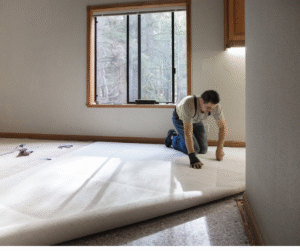
Engineered flooring provides flexibility in installation. Floating floors can “float” above uneven subfloors, glued-down options offer stability, and nail-down installations deliver a traditional solid feel. This adaptability allows homeowners to select the installation method best suited for their specific mountain environment and existing structure.
Engineered Floor Installation Over Radiant Heat or Uneven Subfloors
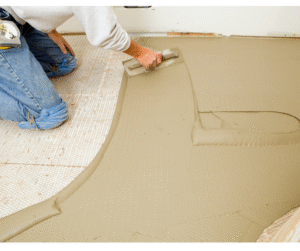
Radiant heat systems are increasingly popular in mountain homes for comfort and energy efficiency. Engineered hardwood’s layered construction allows for safe installation over radiant heat, something solid wood struggles with. Its dimensional stability also accommodates slightly uneven subfloors without compromising performance, making it a smart choice for retrofit projects or multi-level homes.
Time and Cost Benefits Compared to Solid Hardwood Installation
Engineered wood flooring is generally quicker to install than traditional solid hardwood. Less acclimation time, easier cutting, and simplified fastening methods reduce labor costs while still providing the luxurious look of real wood. For homeowners, this translates into a faster, more efficient upgrade with minimal disruption.
Maintaining and Refinishing Engineered Wood in Mountain Homes
Engineered hardwood is low-maintenance yet retains the charm of real wood. Routine care, including sweeping, occasional damp mopping, and protective measures under furniture, helps preserve its beauty. When minor wear occurs, light refinishing is possible without full replacement, offering a long-term, practical flooring solution for mountain homeowners.
Easy Maintenance Tips to Preserve Longevity
Maintaining engineered hardwood is straightforward. Regular sweeping, occasional damp mopping, and using protective pads under furniture help prevent scratches and dents. Engineered wood’s top layer of real hardwood allows for simple care practices that preserve both aesthetics and functionality.
Refinishing Options for Engineered Hardwood Floors
While engineered hardwood cannot be sanded as many times as solid wood, its wear layer still allows for light refinishing to remove minor scratches or dullness. Homeowners can revitalize their floors without fully replacing them, extending the life of the investment.
Preventing Moisture and Environmental Damage
Even with its stability, engineered wood benefits from proactive moisture management. Proper ventilation, humidity control, and the use of water-resistant finishes reduce the risk of warping, cupping, or mold. These practices protect both the floor and indoor air quality in mountain homes.
Sustainability and Eco-Friendly Benefits of Engineered Wood Flooring
Engineered hardwood maximizes natural resources while delivering the look and feel of real wood. By using thinner top veneers over plywood cores, fewer trees are consumed. Combined with low-VOC finishes and responsible manufacturing, engineered wood supports eco-conscious mountain living without compromising performance or aesthetics.
Using Fewer Trees While Achieving a Natural Wood Floor Look
Engineered hardwood uses a thin top veneer of real wood over a plywood or composite core. This reduces the amount of raw timber required, making it a sustainable alternative to solid wood while still providing the authentic look and feel of a real hardwood floor.
How Engineered Wood Supports a Sustainable Mountain Lifestyle
Eco-conscious homeowners can choose engineered wood to minimize environmental impact without sacrificing durability or style. Sourcing responsibly harvested wood and combining it with efficient manufacturing processes creates a flooring solution that aligns with sustainable mountain living.
Choosing Eco-Friendly Finishes and Materials
Low-VOC finishes, natural stains, and adhesives ensure the flooring is safe for indoor air quality while maintaining the natural beauty of wood. Engineered hardwood floors allow homeowners to balance environmental responsibility with the warmth and elegance of a real wood floor.
Design Flexibility and Aesthetic Appeal in Mountain Homes
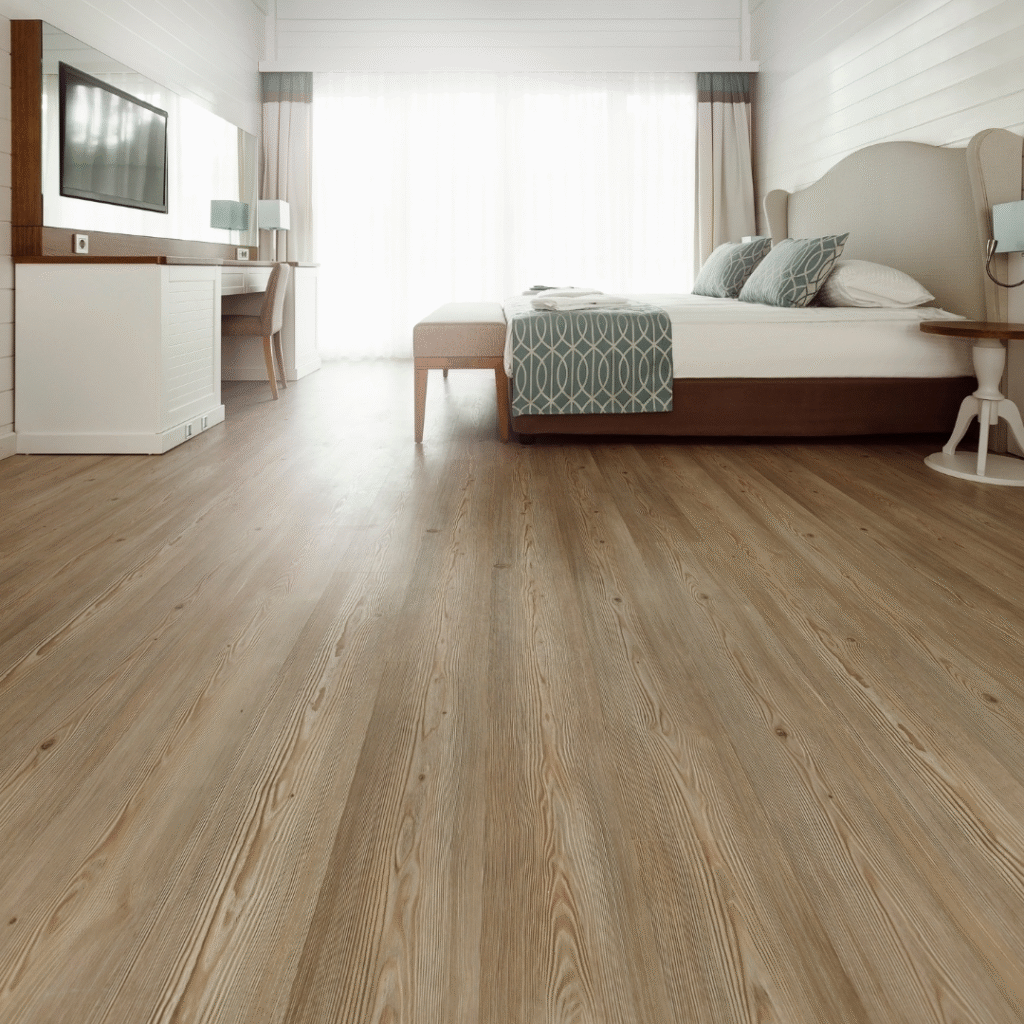
Engineered hardwood offers design versatility that complements a wide variety of interior styles. Whether your mountain home is rustic, modern, or contemporary, the natural wood grain, plank width options, and color selections allow for a tailored aesthetic. This flexibility ensures your floors enhance both comfort and style, creating warm, inviting living spaces.
Matching Engineered Hardwood with Rustic, Modern, and Contemporary Interiors
Engineered hardwood complements a wide range of interior design styles. Its natural wood grain and warm tones blend seamlessly with rustic log homes, modern cabins, and contemporary mountain retreats, making it a versatile flooring choice for any homeowner.
Color, Grain, and Plank Width Options for Mountain Homes
From wide planks with dramatic wood grain to narrow, uniform planks, engineered wood offers flexibility in design. Color options, finishes, and wood species allow homeowners to tailor the floor to their personal style and the architecture of the mountain home.
Enhancing the Warmth and Comfort of Mountain Living Spaces
The rich tones and natural textures of engineered hardwood create an inviting atmosphere, enhancing the cozy ambiance of mountain living. Combined with its comfort underfoot and compatibility with radiant heat systems, engineered flooring elevates both aesthetics and livability.
Why Engineered Hardwood Is a Smart Choice for Modern Mountain Homes
Engineered hardwood balances beauty, durability, and practicality. Its resilience against humidity, temperature fluctuations, and wear makes it ideal for mountain environments. With eco-friendly construction, versatile design options, and long-term performance, it’s a smart, high-value flooring solution for homeowners seeking both style and functionality in their mountain retreats.