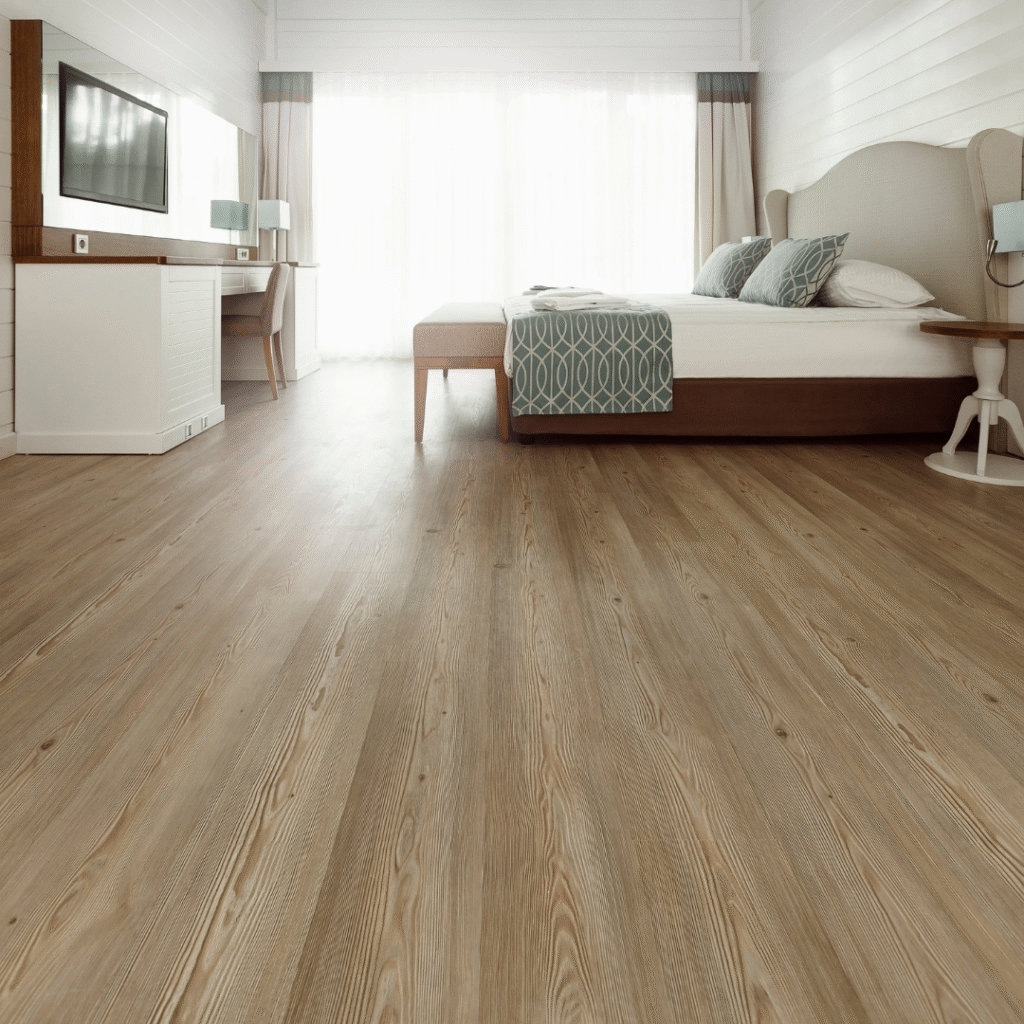
Choosing a hardwood species isn’t just about how it looks in the showroom. At 8,000 feet in the Vail Valley, it’s about how that wood performs when humidity drops below 15%, when radiant heat cycles under your subfloor, and when Colorado’s intense UV hits your floors every afternoon.
We’ve installed floors from Miami to Montana, Seattle to Southern California. Every environment is different — and we know exactly what those differences mean for your floor.
Brian has traveled the world — from Croatia to Lapland to Russia — studying lumber, visiting forests, and understanding how wood behaves from the source. That knowledge doesn’t just inform us of what we sell. It informs us of what we recommend.
Here’s a simple example of why that experience matters:
When we deliver wood to Miami, we’re not trying to dry it down. We’re acclimating it up — getting it to its equilibrium moisture content at around 33% before installation, because in that humid environment, the wood is going to swell. You want it already swelled when it goes down.
Here in the Vail Valley? We’re doing the opposite. We’re bringing material down to 6-8% moisture content to match the dry mountain environment it’s going to live in.
Same product. Completely different processes. That’s the expertise that protects your investment.
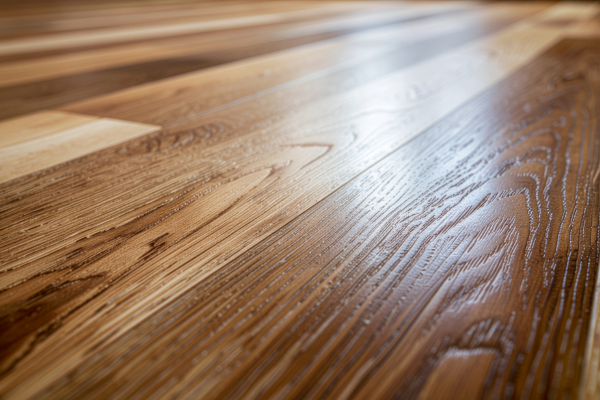
Before we recommend a single species, we look at your specific situation:
Some species hold their color and structural integrity under intense mountain UV. Others fade, soften, or become brittle over time.
Radiant heat is hard on certain species. Forced air is different again. We match the wood to what's under your floor.
A full-time residence holds a more stable environment than a vacation home that sits empty and cold for weeks at a time.
Some species are harder and more dent-resistant. Others are beautiful but require more care. We'll be honest about both.
Wide plank or narrow. Light or dark. Rustic or refined. Species determine all of it, and we source from mills across 12 countries to find exactly what you're looking for.
Not every wood that looks great in a Denver showroom belongs to a Vail Valley home. Here’s how we think about it:
White Oak
Our most recommended species for the Vail Valley. Excellent hardness, beautiful grain, and it takes custom stains — including our Alpine Tannin Transformation reactive stain process — better than almost any other domestic species. It handles humidity swings well and ages beautifully at altitude.
European White Oak
A step above domestic oak in character and visual depth. Sourced directly from European mills, it’s the species you’ll find in the valley’s finest luxury homes. Wider planks, more character, and a look that’s genuinely hard to replicate.
Hickory
Exceptionally hard and durable — one of the hardest domestic species available. A great choice for high-traffic mountain homes and families with active lifestyles. Its natural variation gives it a rustic, organic feel that suits mountain architecture well. Not so stable in an engineered format.
Walnut
Rich, dark, and distinctly luxurious. Walnuts are softer than oak, so we’re honest about where it belongs — and where it doesn’t. In the right application, like a formal dining room or master bedroom, it’s stunning.
Maple
Hard, clean, and consistent — popular in contemporary mountain homes. Maple is less forgiving with stains but handles traffic well. Best in stable, well-controlled environments.
Some tropical and exotic species that look incredible in a showroom don’t perform well in our dry, high-altitude climate. We’ll tell you which ones to avoid — even if you’ve already fallen in love with them. That’s the honest conversation we believe every client deserves before they invest.
We don’t have a catalog quota to hit. We don’t push the most expensive option or the product with the best margin. We walk you through what’s actually right for your home, your lifestyle, and your environment. That conversation usually happens at your kitchen table, with samples spread out in your own light — not under fluorescent showroom bulbs.
“We’ve gone all over and each environment is different. What works in one place doesn’t work somewhere else. That’s why we start with your specific situation before we recommend anything.”
— Brian Carey, Vail Valley Hardwoods
White oak and European white oak are our top recommendations — they handle the dry winters, humidity swings, and UV exposure at altitude exceptionally well. Solid Hickory is another great option for its hardness and durability.
Some exotic species look beautiful in showrooms but don’t perform well in our dry, high-altitude climate. We’ll be honest about which ones to avoid, even if you’ve already seen them elsewhere.
Hickory is one of the hardest domestic hardwoods — excellent for high-traffic mountain homes. White oak is a close second and takes custom stains beautifully.
Yes — but the right species matters. We match the wood to your heating system and help you understand what to expect. Some species handle the thermal cycling better than others.
It depends on your aesthetic, your home’s natural light, and how much maintenance you’re willing to commit to. Darker floors show dust and pet hair more; lighter floors show scratches more. We’ll walk you through the tradeoffs.
We source from mills across 12 countries. That’s the Global Mill Network — giving us access to species and grades that most local competitors simply can’t offer.
We’ll bring samples, ask the right questions, and give you our honest take — no pressure, no hard sell. Just 20+ years of experience working for your floor.