Have you ever looked down at your beautiful hardwood floors and winced at a deep scratch that appeared out of nowhere? If you’re a homeowner having floor scratches in Vail, you’re not alone. Between Colorado’s active outdoor lifestyle and indoor wear from shoes, pets, and furniture, scratches on your hardwood floor are almost inevitable.
However, here’s the good news: not every scratch is a crisis. Many minor blemishes can be treated with simple DIY techniques. But how do you know when to call a professional hardwood floor repair service like Vail Valley Hardwoods? Let’s walk through it in this blog.
Understanding the Types of Floor Scratches In Vail
Minor Surface Scratches vs. Deep Gouges
Not all scratches are created equal. Understanding what you’re dealing with helps you choose the proper repair method. Surface scratches? DIY might work, as these typically affect only the floor’s protective finish and can be buffed out easily. Deep gouges? You might need professional hardwood floor repair as these cuts into the actual wood and may require wood filler, sanding, or even plank replacement.
How Scratches Affect Hardwood Floors Over Time
Even small scratches can lead to big problems. Moisture, dirt, and grime seep into the cracks, weakening the wood over time. Also, Vail’s dry climate can lead to cracking or warping, which means later repair costs.
DIY Floor Scratch Repair: What You Can Fix Yourself
Tools and Materials You’ll Need for Small Repairs
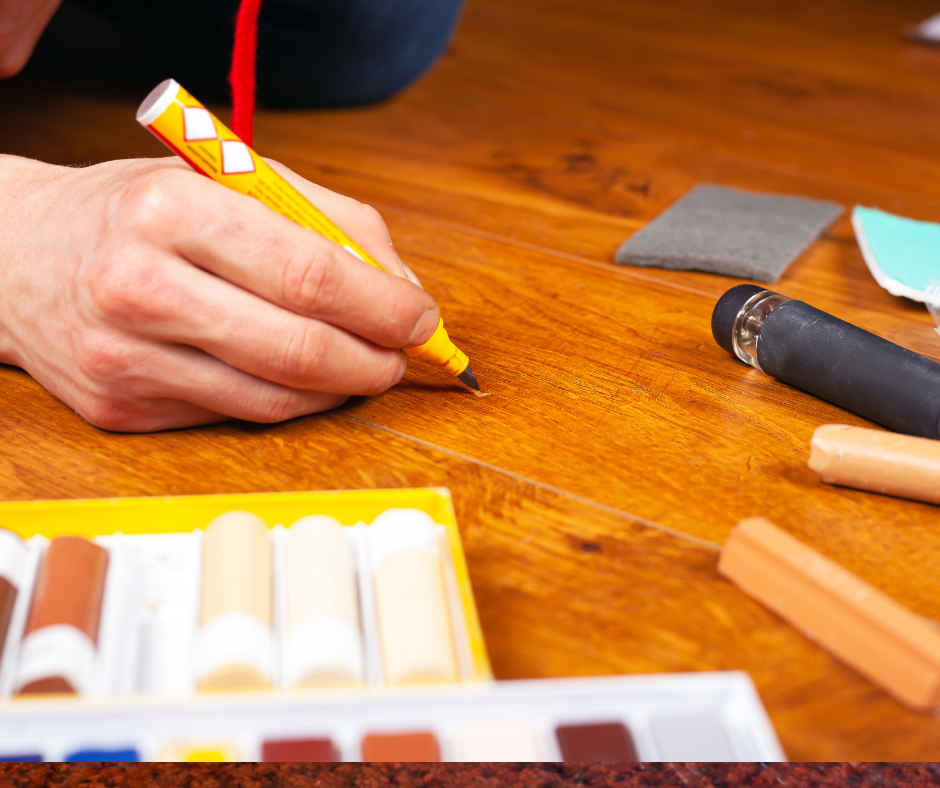
For DIY repairs, gather tools like a soft cloth, wood cleaner, matching wood stain, wood filler, a buffer pad, and a polyurethane finish. These are usually enough for surface-level damage.
Buffing Out Light Scratches on Hardwood Floors
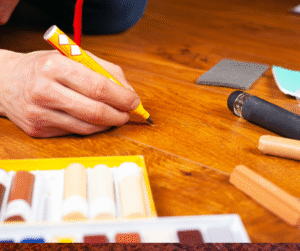
For minor scuffs and light scratches, first clean the area with a soft cloth. Then, gently rub a wood floor repair marker or apply stain using a cotton swab. Finish with a touch of polyurethane to seal it.
Using Wood Fillers to Repair Moderate Floor Damage
If a scratch has gone below the finish, a wood filler is your friend. It helps with scratches that go beyond the finish but not into the subfloor. Use a filler that matches your floor’s wood species and color, apply it evenly, let it dry, and then sand it smooth. Finish with a coat of sealant to restore the gloss.
When to Refinish Your Hardwood Floors
Signs It’s Time to Refinish Rather Than Spot-Repair
If your floor is covered in scratches, looks dull, or has areas that have lost their finish, it’s time to refinish. This means sanding down the entire floor and applying a fresh coat of stain and sealer — a job best done by a professional.
Common Mistakes in DIY Hardwood Floor Repair
Using the Wrong Products for Your Floor Material
Not all wood floors are the same. Engineered wood reacts differently from solid hardwood, and using the wrong cleaner or sealer can cause staining or peeling. Always check the manufacturer’s instructions or consult a pro if unsure.
Why Some Scratches Come Back After DIY Repairs
Sometimes, a scratch seems to disappear — only to reappear weeks later. This usually happens when the area wasn’t cleaned or sealed correctly. Vail’s temperature changes can also cause expansion and contraction that re-expose poorly treated spots.
When to Call a Hardwood Floor Repair Pro in Vail
Deep Damage That Requires Professional Restoration
If your floor has extensive gouges, water damage, or multiple worn-out areas, a professional can promise more durability and restore it better than DIY methods ever could. Hire experts who can sand evenly, match stains, and apply advanced finishing techniques.
Choose the Right Hardwood Floor Repair Service in Vail
Look for a company with strong local reviews, experience in Vail’s climate, and a portfolio of successful refinishing projects. At Vail Valley Hardwoods, we specialize in helping homeowners restore their floors with precision and care.
How Floor Restoration Professionals Restore Severe Scratches
Techniques Pros Use That Go Beyond DIY
Professionals use drum sanders, edge tools, and buffer machines to remove deep damage. They apply sealers and finishes that cure harder and last longer than store-bought products. They also assess your entire floor’s condition to address problems you might not see, like structural weakness or moisture beneath the boards.
Cost Breakdown: DIY vs. Professional Hardwood Floor Repair
How Much You Can Expect to Spend on Each Option
DIY kits can cost between $50 and $150, depending on the tools and materials you already have. Professional refinishing services in Vail usually run between $4 and $10 per square foot for staining and $10 and $25 per square foot for glazing. If the damage is localized, spot repairs by a pro may be more affordable.
Is Floor Replacement More Cost-Effective in Some Cases?
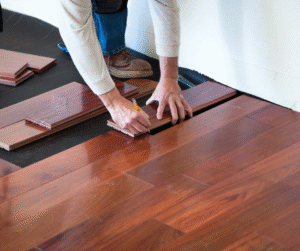
In extreme cases, like water damage or warped planks, floor replacement might be the smarter investment. It also allows you to upgrade to more durable or stylish flooring materials suited for Vail’s climate.
Keep Your Hardwood Floor Looking Great for Years to Come
Routine maintenance, soft pads under furniture, and prompt attention to scratches can extend the life of your floors. If in doubt, trust your gut — or better yet, trust a professional.
Need help restoring your floors?
Contact Vail Valley Hardwoods at (970) 315-0599 today for a personalized consultation. Whether you need a quick fix or complete hardwood floor repair, our expert team is here to bring your floors back to life, beautifully and professionally.