If you’re considering updating your floor, there’s a good chance you’ve come across engineered hardwood flooring. Its elegant aesthetic appearance, moisture resistance, and cost-effectiveness have quickly become a popular alternative to solid hardwood flooring. But what exactly makes engineered wood floors different? And how do you know if it’s the right choice for your home?
This blog lists the top 8 things every homeowner should know before installing an engineered hardwood floor.
1. What Is an Engineered Hardwood Floor?
How It Differs from Solid Wood Floors
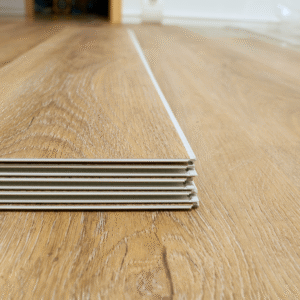
At first glance, engineered wood flooring looks like solid hardwood, but the difference lies beneath the surface. Instead of a single piece of solid wood, engineered hardwood floors are made from a top veneer layer of real wood, supported by several layers of plywood or high-density fiberboard (HDF).
This design improves dimensional stability, helping your floors resist temperature and humidity fluctuations better than traditional solid hardwood flooring.
Understanding the Layered Structure of Engineered Wood Floors
Each engineered plank includes a wear layer of genuine wood, backed by cross-layered plywood or HDF. This gives the floor its strength and ability to flex slightly — a key advantage in areas where expansion and contraction might occur.
2. Engineered Hardwood vs. Solid Wood: Key Differences
Appearance, Durability, and Cost Comparison
You get the look of hardwood with the bonus of improved moisture resistance and durability. While solid wood floors can warp or shrink with environmental changes, engineered hardwood’s construction makes it far more stable.
And yes, it’s more affordable, too. If you’re balancing style and budget, engineered hardwood is a smart choice.
Which Type of Floor Works Best for Your Home Environment?
Does your home include a basement or a ground-level room? Choose engineered flooring instead of solid wood. These areas often experience more humidity and temperature changes, which engineered hardwood floors are designed to handle. Reserve solid hardwood for drier, upper-level spaces.
3. Where Engineered Hardwood Floors Work Best
Ideal Rooms and Conditions for Engineered Wood Floors
Thanks to its layered design, engineered hardwood flooring is a go-to for high-traffic areas and rooms prone to moisture, like entryways, kitchens, basements, and even bathrooms (with proper sealing).
It also performs beautifully in open-concept living rooms, giving you a rustic or refined look with peace of mind.
Why They’re Great for Moisture-Prone or Humid Areas
The multiple layers of plywood or HDF reduce the risk of swelling or buckling. This moisture resistance means fewer surprises and less stress, especially in homes with a fluctuating climate.
4. Can You Refinish an Engineered Hardwood Floor?
What to Know About Sanding and Refinishing Layers
Yes, you can — but it depends on the thickness of the veneer. Most engineered hardwood floors can be refinished one to three times. If your wear layer is at least 3mm, you can sand it down to restore the aesthetic appearance.
Thickness and Refinish Limits of Engineered Flooring
Thicker planks allow for more refinishing over time. When choosing your engineered flooring, ask about the veneer layer thickness — it’s your best friend for long-term flexibility and maintenance.
5. Aesthetic Appearance: Matching the Look of Solid Hardwood
Grain, Texture, and Finish Options
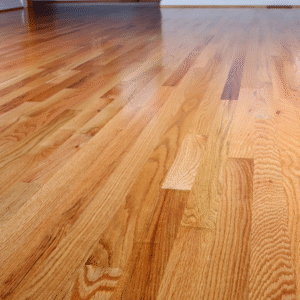
You won’t have to sacrifice beauty for practicality. Today’s engineered wood flooring comes in stunning wood species like oak, maple, and hickory — all with their own unique grain patterns. You can also find distressed, hand-scraped, and prefinished looks to suit your taste.
Achieving a Luxury Look with Engineered Wood Floors
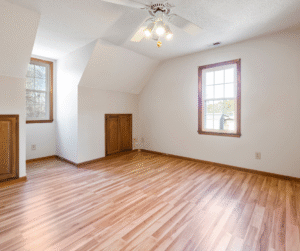
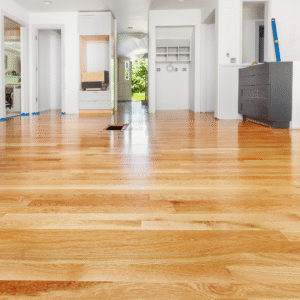
Engineered hardwood flooring offers endless possibilities, from wide plank styles that make a room feel grander to natural wood tones that add warmth. You’ll get the authentic look of solid wood with better stability.
6. Longevity and Durability of Engineered Hardwood Floors
How Long Do These Floors Last with Proper Care?
With proper care, engineered hardwood floors can last 25 to 30 years — some even longer. That means you’re choosing a stylish floor and a long-lasting flooring solution.
Maintenance Tips to Preserve Aesthetic Appearance
Keep it simple: sweep regularly, mop with a damp cloth (not soaked), and avoid harsh chemicals. Protect wood floors in high-traffic areas with rugs and avoid dragging heavy furniture.
7. Installation Methods for Engineered Wood Floors
Floating, Glue-Down, and Nail-Down Options
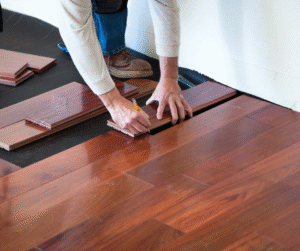
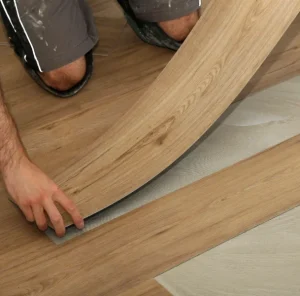
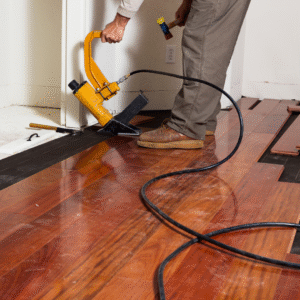
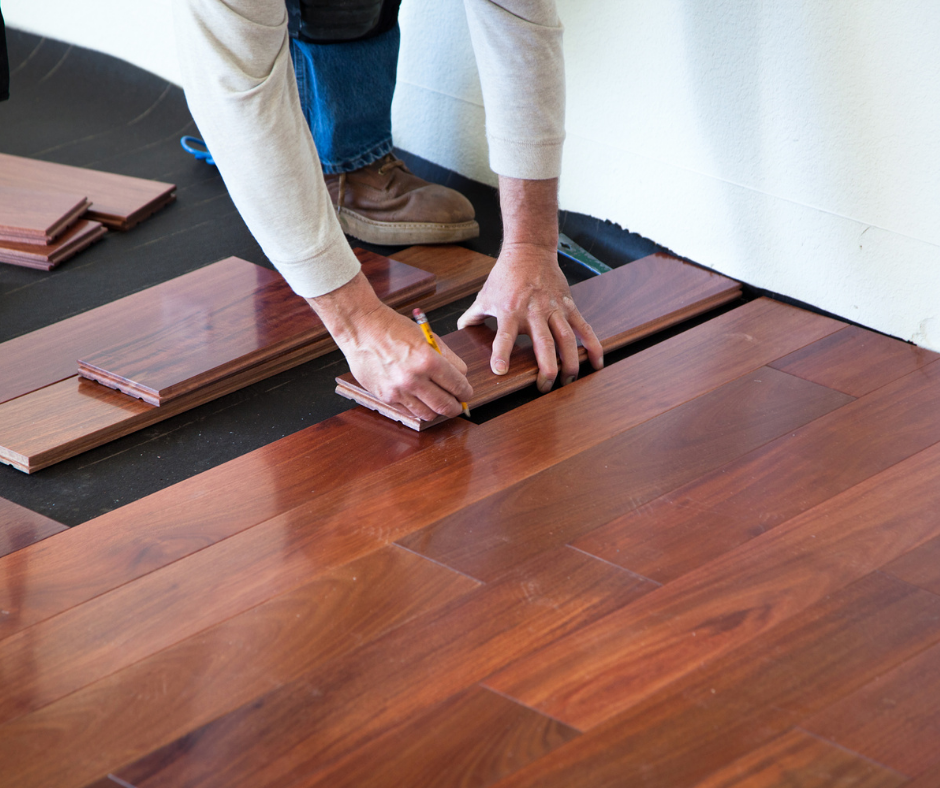
One reason engineered hardwood has become so popular is the variety of installation methods. Depending on your subfloor and preference, you can float, nail, or glue down the planks.
Choosing the Right Method for Your Subfloor Type
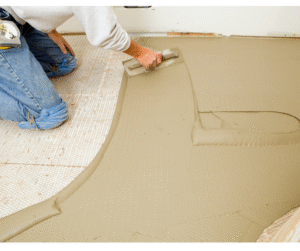
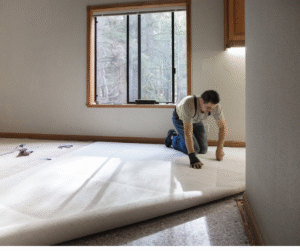
Concrete? Go with glue-down or floating. Wood subfloor? Nail-down or glue will do the job. Always follow the manufacturer’s recommendations to ensure your flooring is made to last.
8. Cost and Value: Is Engineered Hardwood Worth It?
Budget Considerations Compared to Solid Wood Floors
Yes, you’ll spend less upfront — but that doesn’t mean you’re sacrificing quality. Engineered hardwood delivers excellent value, making it a favorite for homeowners who want that natural wood look without the solid wood price tag.
Long-Term Value for Homeowners and Resale Impact
Beyond beauty and durability, engineered wood flooring boosts your home’s resale value. It adds warmth, elegance, and timeless appeal that buyers seek, especially in key living areas.
Is Engineered Hardwood Right for You?
If you love the authentic look of hardwood floors but want something that can handle messes, temperature swings, and budget concerns, engineered hardwood is your perfect match.
Whether planning a complete remodel or upgrading one room, let Vail Valley Hardwoods help you find and install the right engineered flooring that suits your home, lifestyle, and aesthetic.
Ready to explore your flooring options?
Contact us today to learn how we can install beautiful, durable, and long-lasting engineered hardwood floors in your space.