Types of Wood Flooring: Choosing the Best Hardwood Species
When it comes to transforming a house into a home, few choices make a bigger impact than the wood floor beneath your feet. The type of wood flooring you choose defines not only the look of your space but also its durability, comfort, and character. From solid hardwood flooring with timeless beauty to engineered wood flooring built for modern living, each option tells its own story. With so many hardwood species, oak, maple, walnut, hickory, and beyond, understanding the differences in grain pattern, hardness, hue, and performance helps you pick the ideal hardwood for your lifestyle.
This guide dives into the main floor types, hardwood flooring species, and key factors to help you select the perfect surface for your next flooring project.
Understanding the Main Types of Wood Flooring
Wood flooring isn’t just about covering a surface; it’s about creating a foundation for your home’s personality. The type of wood flooring you choose can set the tone for every room, from warm rustic charm to sleek modern elegance. Today’s flooring options span genuine hardwood, engineered flooring, laminate, vinyl, parquet, and even bamboo, each offering different strengths, aesthetics, and durability for your lifestyle.
Solid Hardwood Flooring – The Classic Wood Floor
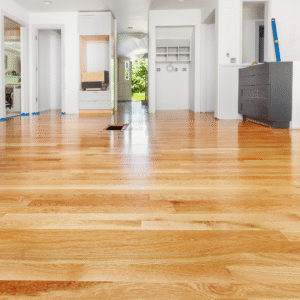
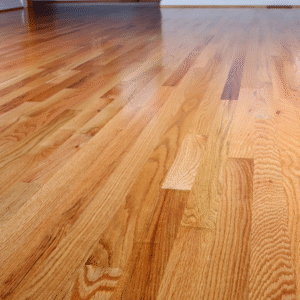
Solid hardwood flooring is the gold standard. Each plank is crafted from real wood, whether red oak, white oak, maple, or cherry wood, giving you unmatched authenticity. These floors can be sanded and refinished multiple times, ensuring they last for generations. With natural wood grain patterns, rich color variations, and the ability to take stain beautifully, solid wood floors remain one of the most popular flooring materials for traditional homes.
Engineered Hardwood Flooring – A Modern Alternative
Engineered hardwood flooring combines real wood veneer with multiple layers of plywood or fiberboard for stability. This design makes it more resistant to humidity and denting compared to solid wood. Available in species like walnut, hickory, or birch, engineered flooring offers the look of genuine hardwood but adapts better to challenging environments like basements or homes with pets. It’s one of the most versatile hardwood flooring options available.
Laminate Flooring and Vinyl Flooring – Budget-Friendly Options
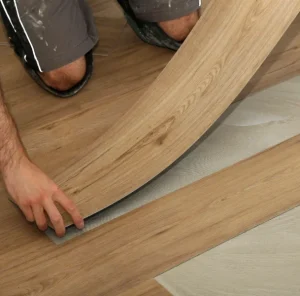
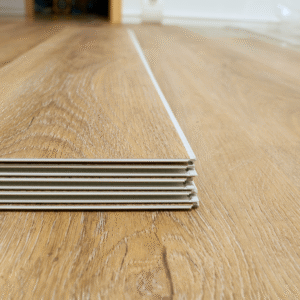
Laminate flooring and vinyl flooring mimic the look of natural wood at a fraction of the cost. While they’re not real wood, they deliver durability, scratch resistance, and easy installation, often as a floating floor. Perfect for high-traffic areas or spaces where you don’t want to worry about refinishing, these faux wood floor types make practical sense when budget and lifestyle demand resilience.
Parquet Flooring – Style Meets Tradition
Parquet flooring takes small wood blocks and arranges them in intricate patterns like herringbone or chevron. More than just flooring, it’s a design statement. Using oak, maple, or other domestic wood species, parquet floors bring sophistication and artistry into a room. They work beautifully in both modern interiors and vintage-inspired spaces.
Bamboo Flooring – The Sustainable Choice
Though not a hardwood species, bamboo flooring has become one of the most popular, environmentally friendly flooring materials. Known for its durability and eco-conscious appeal, bamboo mimics the look of hardwood floors while providing a renewable alternative. It’s harder than many domestic wood species and comes in hues ranging from light tan to deep brown tones, giving you a wide range of flooring options.
Exploring Hardwood Flooring Species
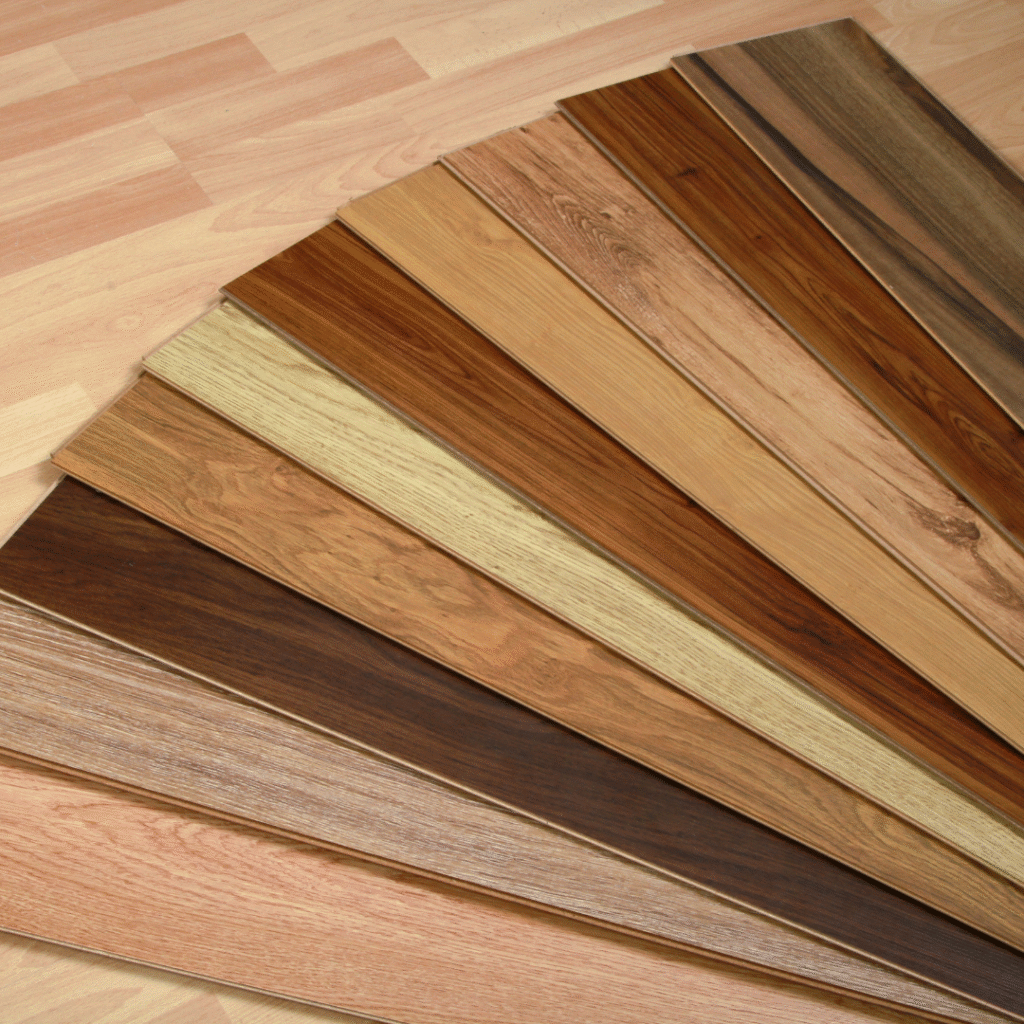
Not all hardwoods are created equal. Each species of hardwood flooring offers its grain pattern, hardness level, and color variation. Choosing the right wood species means balancing durability with beauty while considering your project needs, lifestyle, and even the climate in your home.
Oak Flooring – Timeless and Versatile
Red oak and white oak flooring are the most common hardwoods used in North America. Oak is prized for its strength, wide availability, and ability to take stain evenly. White oak offers subtle grain and brown tones, while red oak has a warmer hue with more pronounced grain. Both are ideal hardwood choices for high-traffic areas.
Maple Flooring – Smooth and Durable
Maple flooring is known for its fine grain and light color, making it perfect for modern and minimalist interiors. Hard maple is one of the hardest domestic wood species, resisting dents and scratches in busy homes. Its subtle grain pattern makes it a versatile type of wood flooring that complements nearly any design style.
Walnut Flooring – Rich and Luxurious
Walnut hardwood floors exude luxury. Their deep brown color, unique grain, and natural sheen create a bold statement in living rooms, offices, and bedrooms. Though softer than oak or hickory, walnut flooring adds warmth and elegance to spaces where visual impact matters more than toughness.
Hickory Flooring – Rustic and Strong
Hickory flooring is one of the hardest domestic woods, known for its dramatic grain patterns and rustic appeal. With wide color variation from creamy whites to dark browns, hickory is perfect for homes that want both strength and character. It’s an ideal hardwood for families with pets or high-traffic flooring projects.
Exotic Hardwood Species – Unique Appeal
Beyond domestic woods, exotic hardwood flooring species like Brazilian cherry, tigerwood, or mahogany offer rich hues and unmatched hardness. These species are often one of the hardest available and bring a vintage or exotic feel to interiors. While more expensive, exotic woods provide flooring options that stand apart from common hardwoods.
Choosing the Right Type of Wood Flooring for Your Home
Selecting the best hardwood flooring is about more than looks; it’s about matching your lifestyle. Homes with pets may need scratch-resistant species like hickory, while homeowners seeking classic elegance may prefer oak or walnut. Think about the flooring project as an investment in both durability and design. Solid or engineered wood, prefinished or unfinished, each type of flooring adds its character and benefits to the home.
Flooring Installation and Maintenance Considerations
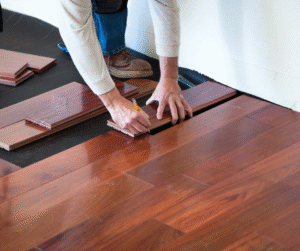
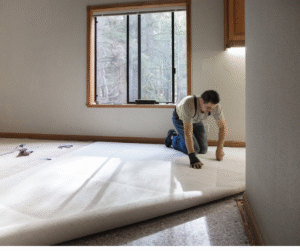
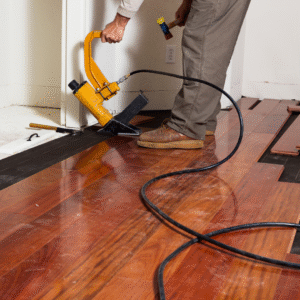
Flooring installation varies depending on whether you choose solid hardwood, engineered flooring, or laminate. Solid wood must be nailed or glued down, while engineered wood flooring often installs as a floating floor. Maintenance also differs: solid wood can be sanded and refinished many times, while engineered hardwood flooring may only allow for one or two refinishings. Choosing the right option ensures peace of mind for years to come.
Final Thoughts – Finding the Perfect Wood Floor
The wood floor you choose is more than just a surface; it’s the foundation of your home’s story. From traditional hardwood to engineered flooring, from red oak to exotic walnut, every plank holds a personality waiting to be revealed. By balancing durability, beauty, and lifestyle, you’ll discover not just a floor, but a living surface that adds warmth, style, and timeless charm to your home.