The Right Time to Replace Versus Refinish Hardwood Floors in Vail
In Vail, hardwood flooring doesn’t just serve as a surface; it acts as a living record of foot traffic, seasonal changes, and every year of wear and tear your home experiences. But at some point, that once-smooth wood floor begins to show signs of aging, and every homeowner faces the same inevitable question: Is it time to refinish or replace?
The stakes are high. Choose too soon, and you waste the remaining layer of wood that could be restored. Wait too long, and the damage becomes irreversible, forcing a full replacement that could have been avoided. This guide pulls you into the heart of the refinish vs replace hardwood dilemma, helping you understand exactly when refinishing hardwood floors still works, and when replacing your hardwood becomes the only path to longevity, safety, and value.
Understanding the Condition of Your Wood Floor Before Choosing Refinish vs Replace Hardwood
Every hardwood flooring system tells a story. Light minor scratches, deeper gouges, mysterious discoloration, subtle warp, or even the faint scent of water damage, each is a clue pointing toward either floor refinishing or replacement. Before deciding, it’s essential to evaluate the hardwood’s actual condition, not just how the floors are looking on the surface.
The decision isn’t cosmetic; it’s structural, financial, and tied closely to your floor’s lifespan.
How Homeowners Can Recognize When Floor Refinishing Is Still Viable
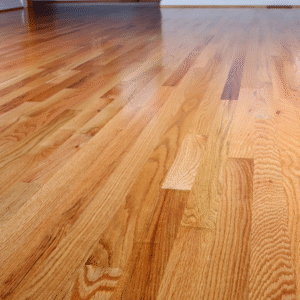
If your floor has superficial issues, like minor scratches, dullness from UV exposure, or surface-level wear and tear, then hardwood floor refinishing often remains a viable option.
Signs refinishing may still work, including:
- The layer of wood (especially on solid hardwood) is thick enough for sanding down the top layer.
- The damage hasn’t breached the veneer on engineered wood.
- The floorboards remain structurally sound with no evidence of water damage or termite issues.
When these conditions are met, sanding and refinishing can restore warmth and richness, helping you keep your floors looking beautiful while extending the life of even heavily used spaces.
Signs Your Hardwood Flooring Has Passed the Point of Refinishing
Not all floors can be saved. Some floors have deep stains, dents, or structural issues that refinishing simply won’t correct. Warning signs include:
- Deep stains that penetrate beyond the sandable layer
- Warp, severe cupping, or buckling from moisture
- Gouges from heavy furniture that reach below the wear layer
- A veneer too thin for additional sanding
- Floorboards that move, split, or feel unstable underfoot
When your floor begins to fail structurally, sanding becomes ineffective and risks further damage.
When Replacing Your Hardwood Floors Becomes the Safe and Necessary Option
Sometimes, replacement might be necessary, not because the floor looks old, but because its structure can no longer support refinishing. Conditions that require installing new hardwood include:
- Structural damage reaching the subfloor
- Widespread water damage or mold infiltration
- Termite-compromised boards
- Severe cupping from prolonged moisture cycles
- Repeated refinishing cycles that have removed too many layers of wood
In these cases, new hardwood ensures future durability, enhanced performance, and improved home value.
Evaluating Damage Levels: Refinishing or Full Replacement?
The secret to making the right choice lies in accurately categorizing damage as light, moderate, or severe. Vail homes often face extreme seasonal variations, leading to floors often showing signs that aren’t immediately obvious. A clear understanding helps homeowners make the decision between refinishing and replacing without regret.
When Surface Wear Indicates Refinishing Hardwood Floors Is the Right Choice
If your floors need only cosmetic correction, such as dull finish, shallow scratches, or faded color, refinishing hardwood floors remains a cost-effective approach. Signs include:
- Wear is limited to the finish coat
- Mild scratch patterns
- General dullness from UV exposure
- Shifts in color due to aging, but not moisture
These issues allow professionals to restore your hardwood by applying a new finish after sanding.
Deep Structural Issues That Require Replacing Your Hardwood
Once floors have deep dents, major discoloration, or severe damage, refinishing becomes insufficient. Replacement is recommended when:
- Flooring has gouges through multiple layers
- Boards are cracked, splitting, or pulling from the subfloor
- There’s evidence of plywood deterioration beneath the boards
- The structure is compromised by long-term moisture
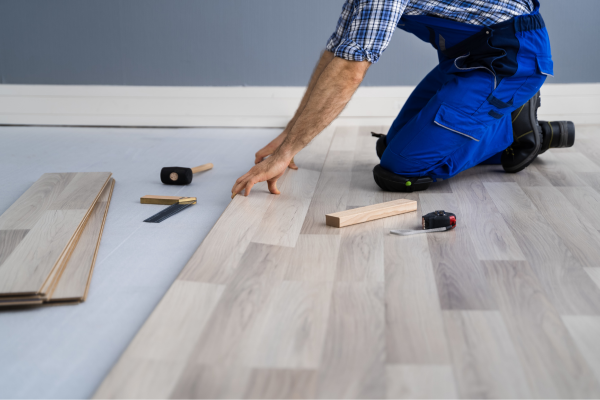
In these cases, installing new or replacing hardwood floors is the surest way to restore safety and durability.
Aesthetic and Performance Considerations That Influence Refinishing or Replacement Decisions
Beyond structural concerns, many homeowners decide whether to refinish or replace based on the evolving style of their home. Changing tastes, lifestyle upgrades, and new performance needs often influence the refinish or replace your hardwood decision.
When Refinishing Hardwood Floors Can Achieve the Desired Look
If your hardwood is quality hardwood and structurally sound, refinishing allows dramatic transformations, new tones, richer color, or a modern matte sheen, simply by sanding down the top layer and applying a new finish.
Refinishing may be ideal when:
- You want a refreshed color
- The grain is still strong and appealing
- Your floorboards remain stable under pressure
This route preserves your original floor while giving it a new identity.
When Only New, Quality Hardwood Meets Updated Style or Performance Needs
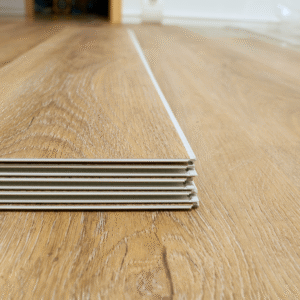
Sometimes, homeowners want a design shift that refinishing cannot deliver. If you’re dreaming of wider planks, a completely different species, or durable hardwood that resists future damage, installing new hardwood becomes the better solution.
Replacing is also optimal when:
- You want a thicker wear layer
- Your current layout requires changes
- You need improved durability in heavy-use areas
Here, refinishing hardwood floors isn’t enough to meet the vision.
How Vail’s Climate Impacts the Timing of Refinishing and Replacing Hardwood Flooring
Vail’s environment places unique demands on hardwood flooring. Dramatic temperature swings, winter dryness, and seasonal humidity make floors expand, contract, and show signs of wear more quickly than in milder climates.
Seasonal Moisture, Temperature Shifts, and Their Effects on Wood Floor Lifespan
The freeze-thaw cycle and fluctuating indoor humidity can cause floors to:
- Cup
- Crown
- Shrink
- Develop deep stains from moisture intrusion
These climate-driven effects often accelerate the need for either refinishing or replacement.
How Local Flooring Conditions Influence Refinish vs Replace Choices
Local flooring experts in Vail frequently encounter homes where environmental stress has compromised the floor’s structure, even when the surface looks acceptable.
Refinishing may still work when the damage is superficial, but once moisture destabilizes the boards, replacing your hardwood becomes necessary.
When Climate-Related Changes Signal It’s Time to Replace Hardwood Floors
You may need to replace hardwood when:
- Seasonal expansion causes prolonged warp
- Boards separate from seasonal dryness
- Moisture infiltration leads to cupping that won’t flatten
- The subfloor experiences moisture-driven structural damage
In these cases, refinishing may no longer solve the deeper issues.