The Hidden Costs of Poor Floor Installation in Gypsum Homes
Hardwood flooring is one of the most valuable upgrades a homeowner can make. It enhances aesthetic appeal, increases property value, and creates a warm, inviting interior. However, in communities like Gypsum, Colorado, where elevation, temperature shifts, and seasonal moisture changes are part of everyday life, the quality of hardwood flooring installation matters just as much as the material itself.
When flooring is installed improperly, the consequences often go unnoticed at first. Minor gaps, subtle movement, or slight unevenness may seem harmless. Over time, though, these issues can develop into costly structural problems, premature floor failure, and expensive repairs. Understanding the hidden costs of poor floor installation can help Gypsum homeowners protect their investment and avoid long-term financial setbacks.
Why Proper Floor Installation Is Critical in Gypsum’s Climate
Gypsum’s semi-arid mountain climate presents unique challenges for hardwood floors. Seasonal humidity fluctuations, radiant heating systems, and temperature changes can cause wood to expand and contract. Without proper acclimation and installation techniques, these natural movements can compromise the floor’s stability.
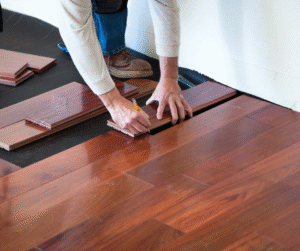
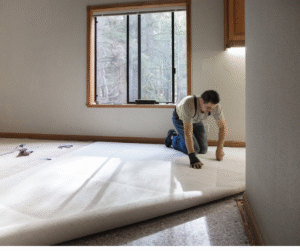
Professional hardwood flooring installation includes moisture testing, subfloor inspection, and controlled acclimation of materials before installation begins. Skipping these steps often leads to:
- Gapping between planks during dry seasons
- Buckling or cupping when moisture levels rise
- Surface cracking or finish separation
What initially appears to be a minor installation oversight can quickly evolve into widespread damage.
Structural Damage That Develops Over Time
Subfloor Preparation Mistakes
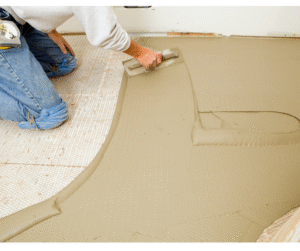
One of the most common hidden costs of poor installation stems from inadequate subfloor preparation. An uneven, improperly secured, or excessively moist subfloor can undermine even the highest-quality hardwood flooring.
If the subfloor is not leveled correctly, planks may shift under pressure, creating squeaks or soft spots. Over time, this movement loosens fasteners and weakens the structural integrity of the floor system.
Failure to install proper moisture barriers can also allow vapor to seep upward, leading to cupping or warping. Repairing subfloor-related issues often requires partial or full floor removal, dramatically increasing costs.
Premature Wear and Finish Failure
When hardwood planks are misaligned or not properly secured, stress points form across the surface. These inconsistencies cause uneven wear patterns, reducing the longevity of the protective finish.
In high-traffic areas of Gypsum homes, such as entryways and living rooms, poor installation accelerates finish breakdown. Homeowners may find themselves refinishing or replacing floors years earlier than expected.
The cost of premature refinishing, material replacement, and labor can far exceed the initial savings from choosing a low-cost installer.
Increased Energy Costs from Installation Errors
Poor hardwood flooring installation does more than affect appearance. Gaps between planks or improper sealing around edges can allow air infiltration. In mountain climates where heating systems work heavily during winter months, these small gaps reduce energy efficiency.
Over time, homeowners may experience higher utility bills as warm air escapes through poorly installed flooring seams. Proper installation ensures tight plank connections and secure perimeter spacing, preserving both structural performance and insulation integrity.
Reduced Property Value and Buyer Confidence
Hardwood flooring is often a selling point in Gypsum homes. Buyers expect smooth, level surfaces with consistent finish quality. When installation issues become visible, such as buckling, gaps, or uneven transitions, they raise red flags during inspections.
Potential buyers may request repair credits or lower offers to compensate for perceived risk. In competitive real estate markets, flooring flaws can reduce buyer confidence and delay sales.
The hidden cost here is not only repair expenses but also diminished resale value.
The Financial Impact of Reinstallation
Correcting poor installation frequently requires more than minor repairs. In many cases, full removal and reinstallation are necessary to address structural issues beneath the surface.
Reinstallation costs include:
- Labor for the removal of damaged planks
- Disposal of unusable materials
- Subfloor repair or leveling
- New material purchase
- Professional reinstallation
When compared to the upfront investment in professional hardwood flooring installation, the financial burden of correcting mistakes can be substantial.
Why Professional Hardwood Flooring Installation Matters
Precision, Moisture Control, and Long-Term Performance
Professional installers understand the demands of Gypsum’s climate. They conduct detailed moisture testing, allow hardwood to acclimate properly, and prepare subfloors to exact specifications.
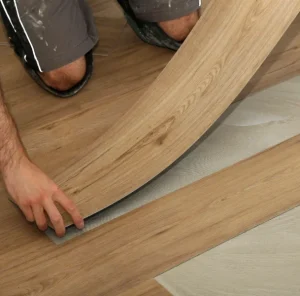
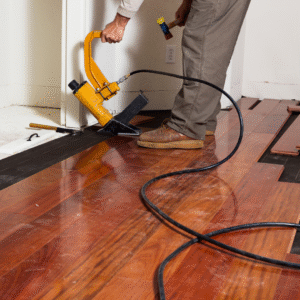
Precision installation includes accurate spacing for expansion, secure fastening, and seamless transitions between rooms. These technical details may not be visible immediately, but they determine how well the floor performs over time.
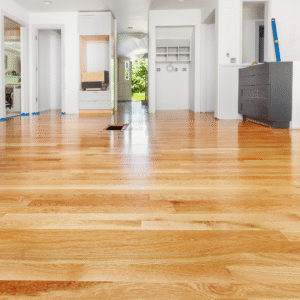
Quality craftsmanship ensures that hardwood flooring maintains its structural stability, aesthetic appeal, and long-term durability.
Protecting Your Investment in Gypsum Homes
The hidden costs of poor floor installation often reveal themselves slowly, through squeaks, surface wear, moisture damage, or declining property value. What initially appears to be a cost-saving decision can evolve into a major financial setback.
Investing in professional hardwood flooring installation protects both your home and your budget. Proper planning, climate-aware techniques, and experienced craftsmanship ensure your floors remain beautiful and stable for years to come.
For Gypsum homeowners, the smartest flooring decision is not simply choosing high-quality hardwood; it is choosing expert installation that prevents costly problems before they begin.