Why Subfloor Preparation Is the Step Most Contractors Skip in Avon, CO
A hardwood floor is only as good as what sits beneath it. The subfloor is the foundation of every installation, yet it remains the most commonly skipped or rushed step in the process. Homeowners in Avon invest thousands in premium hardwood, then watch it cup, gap, or squeak within a year because the work underneath was never done properly.
Understanding what subfloor preparation involves and why it matters so much at altitude helps you recognize the difference between a contractor who cuts corners and one who builds floors that last.
What the Subfloor Actually Does
The subfloor is the structural layer between your floor joists and your finished hardwood. In most Avon homes, it is either plywood, oriented strand board (OSB), or a concrete slab. Its job is to provide a flat, stable, dry surface for the hardwood to attach to.
Every imperfection in the subfloor telegraphs upward into the finished floor. Every moisture problem in the subfloor becomes a moisture problem in the hardwood above it.
Why Altitude Makes Subfloor Preparation More Critical
At Avon’s elevation, humidity swings are extreme. Winter can drop indoor humidity below 15 percent while summer monsoons push it above 55 percent. That range puts stress on every material in the assembly, and the subfloor is no exception.
Moisture Content Must Be Verified
Wood subfloors absorb and release moisture with the seasons. Before hardwood is installed, the moisture content of the subfloor must be tested and documented. If the subfloor is too wet or too dry relative to the hardwood being installed, the two materials will move at different rates after installation. That differential movement causes gaps, cupping, and buckling.
Concrete Slabs Require Testing Too
Many Avon homes, especially those with radiant heat, have concrete slab subfloors. Concrete holds moisture for months after being poured, and it can wick moisture from the ground indefinitely. A calcium chloride or relative humidity test determines whether the slab is ready for hardwood. Skipping this test is one of the fastest paths to a failed installation.
The Flatness Standard Most Contractors Ignore
Industry standards require the subfloor to be flat within 3/16 of an inch over a 10-foot span. In practice, many subfloors fall outside this tolerance, especially in older mountain homes that have settled or shifted over the years.
Why Flatness Matters
Hardwood installed over a subfloor that is not flat will flex under foot traffic. That flexing stresses tongue-and-groove joints, loosens fasteners, and creates the hollow sounds and squeaks that plague poorly installed floors.
How Professionals Correct It
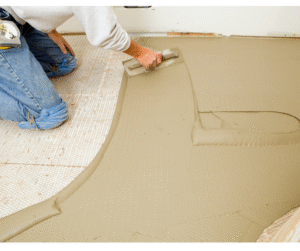
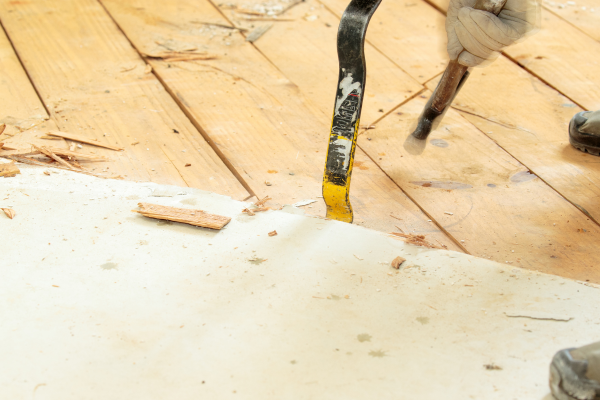
Correcting flatness requires grinding down high spots and filling low spots with appropriate leveling compound. This is unglamorous, time-consuming work that adds no visible beauty to the finished project. It is also the reason some contractors skip it.
What Proper Subfloor Preparation Includes
A thorough subfloor preparation process addresses every variable that could compromise the finished floor.
Moisture Testing and Documentation
Multiple readings across the entire subfloor area confirm consistent moisture levels. Results are documented so that if problems arise later, there is a clear record of conditions at installation time.
Flatness Measurement and Correction
A straightedge or laser level identifies deviations from flat. High spots are sanded or ground down. Low spots are filled and allowed to cure before installation proceeds.
Structural Integrity Check
Loose panels are resecured. Squeaky areas are fastened. Damaged or delaminated sections of plywood or OSB are replaced. Any subfloor movement will transfer directly into the hardwood above, so everything must be tight and stable.
Cleaning and Debris Removal
Construction dust, drywall compound, paint drips, and other debris must be removed completely. Anything left on the subfloor creates a bump or void beneath the hardwood that becomes a problem later.
Why Contractors Skip This Step
Subfloor preparation takes time. It requires tools and materials that add cost. It produces no visible result that the homeowner can immediately appreciate. And most homeowners do not know enough to ask whether it was done.
This creates a situation where cutting corners is easy and difficult to detect until months or years later when problems appear. By then, the contractor may be long gone or unwilling to acknowledge the root cause.
The Connection Between Subfloor Work and Long Term Performance
A floor installed on a properly prepared subfloor performs differently from day one. It feels solid underfoot. It stays quiet. Joints remain tight through seasonal humidity cycles. The finish wears evenly because there is no flexing to crack it prematurely.
Over ten or twenty years, that preparation work pays for itself many times over by eliminating the repairs, refinishing, and replacement that floors installed on poor subfloors inevitably require.
Professional hardwood flooring installation that includes thorough subfloor preparation is the difference between a floor that lasts a generation and one that needs attention within a few seasons.
Ask the Right Questions Before Installation Begins
Before any hardwood goes down in your Avon home, ask your installer what subfloor preparation is included. Ask about moisture testing. Ask about flatness correction. Ask whether results will be documented. The answers will tell you whether the finished floor is being set up for success or for premature failure.