Repair vs. Replace: Making a Smart Decision for Your Eagle Home Floors
Your floors hold more than furniture; they hold your story. Every scratch, stain, or creak tells a tale of time, traffic, and transformation. But when the shine fades and the boards begin to warp, a big decision looms: should you repair or replace? This guide helps Eagle homeowners weigh their flooring options with clarity, curiosity, and confidence. Whether you’re battling water damage or tired of outdated flooring materials, we’ll help you determine what’s worth salvaging and what needs to be replaced.
Understanding the Condition of Your Hardwood Floors
Before you can decide on your floors, you need to understand what they’re telling you. Are they simply showing signs of life and age, or are they hinting at something deeper beneath the surface?
Signs of Wear and Tear That Shouldn’t Be Ignored
From subtle scratches in your hardwood floor to deep gaps between planks, signs of wear and tear are more than just aesthetic; they can reveal deeper structural issues. If your floorboards creak excessively, feel uneven, or show signs of dull finish, it might be time to take action. Ignoring these signs could lead to costly repairs down the road.
What Water Damage Means for Wood Floors
Water is a floor’s silent destroyer. That leak from last winter or that spill never fully cleaned up could have caused your wood floor to warp, stain, or even rot beneath the surface. If you spot discoloration, cupping, or soft spots, don’t wait; this type of flooring damage could mean your subfloor is at risk, and you may need to replace sections, if not the entire floor.
How Age and Outdated Materials Affect Floor Performance
Old floors may have charm, but outdated materials can fail in functionality. Tile that cracks too easily, laminate that lifts, or carpet that traps allergens can all affect your home’s health and performance. When a floor has been patched too many times or no longer meets your lifestyle, it may be time for an upgrade.
When Floor Repairs Are the Smart Option
Spot the Signs: Surface-Level Damage That’s Easily Fixable
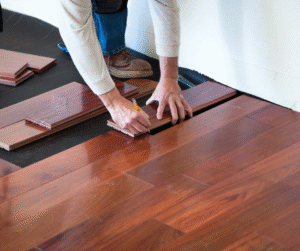
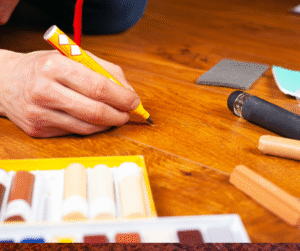
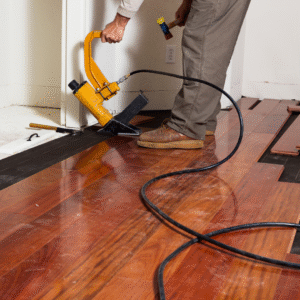
Not every ding spells disaster. Minor surface scratches, dull finish, or slight gaps can often be refinished or repaired without needing a full flooring installation. Replacing a single wood floor plank or buffing out a stain can restore beauty and function quickly. If your floor still feels solid underfoot, consider hiring a professional to restore rather than replace.
Preserve Character and Original Craftsmanship with Expert Repairs
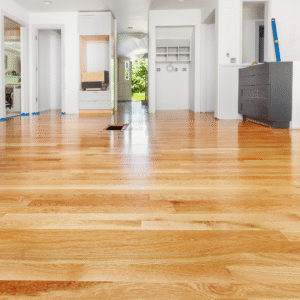
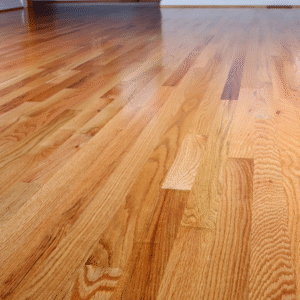
Older hardwood floors, especially solid hardwood, often carry timeless craftsmanship you can’t replicate today. Instead of ripping them out, a skilled pro can sand, refinish, and polish them back to life. This approach not only maintains the aesthetic charm of your home but also protects your return on investment.
When Replacing Your Floors Makes More Sense
Sometimes, no matter how nostalgic or charming your current floors may be, replacement is the wiser investment. Know the red flags that signal it’s time to start fresh.
Recognize Irreversible Damage: Warping, Rot, or Deep Water Stains
Some damage simply can’t be undone. If your wooden floor has buckled, your subfloor is compromised, or moisture damage has led to mold, it’s time to consider replacing it. Floorboards with extensive damage don’t just look bad; they pose health and structural risks.
Upgrade Outdated Floors with Modern Materials and Styles
Still living with faded carpet or laminate from the ’90s? If your current floors are outdated or no longer match your aesthetic, a flooring update can elevate your entire home. With modern options like hypoallergenic hardwood, moisture-resistant laminate, or seamless tile, your Eagle flooring project can add more value and beauty for years to come.
Choose Replacement When Repairs Become Recurring or Costly
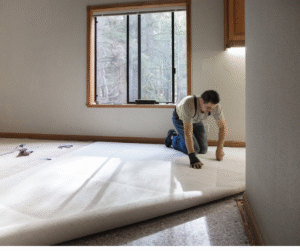
If you’re constantly calling in a contractor for the same issues, cracks, gaps, and loose boards, it may be more cost-effective to install a new floor. When the fixes stop being functional, it’s a sign your flooring materials have reached the end of their lifespan.
Comparing Costs: Repair vs. Flooring Installation in Eagle
Cost Factors that Influence Wood Floor Repairs
Repair costs depend on several variables: type of wood, severity of damage, stain and finish requirements, and accessibility. Replacing a single plank is cheaper than refinishing an entire surface, but if multiple boards are affected, repairs add up fast.
Long-Term Value: Investing in Repair or Starting Fresh
When weighing costs, look beyond the price tag. Will a repair prolong the floor’s life for another decade, or just mask bigger issues? Will new flooring enhance your home’s value and functionality? Sometimes starting fresh adds more value than a quick fix.
Choosing the Right Flooring Option for Your Replacement
If you’ve decided to replace, the next step is selecting the right material. Solid hardwood? Engineered wood? Tile? Each flooring type has its own strengths, especially when it comes to Colorado’s climate and lifestyle. Let’s explore your options.
Comparing Solid and Engineered Hardwood Floors
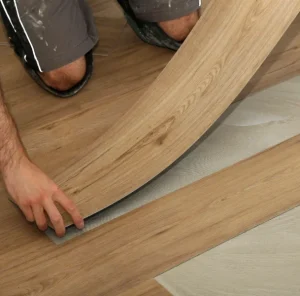
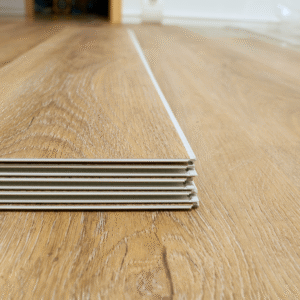
Solid hardwood offers authenticity and durability, while engineered hardwood provides flexibility and moisture resistance. Each has unique pros depending on your home’s needs, subfloor condition, and lifestyle. Explore both to see which suits your flooring update.
Matching New Flooring to Your Home’s Style and Traffic Needs
Foot traffic matters. Families with pets or kids need durable, easy-to-clean floors. Matching your flooring to your home’s style, whether rustic, modern, or transitional, enhances both aesthetics and resale appeal. Don’t just install what’s trendy, choose what lives well.
Choosing Durable Finishes That Withstand Wear and Tear
Finishes matter just as much as the flooring material. A strong, well-applied finish protects your floor from daily wear, moisture, and stains. Talk to your installer about finishes that are durable, hypoallergenic, and easy to maintain.
Making a Confident, Informed Decision for Your Home
It all comes down to vision and value. Whether you’re fixing up for resale or designing your dream home, the right flooring choice should serve both form and function.
Align Your Choice with Long-Term Home Goals
Ask yourself: Are you upgrading for sale, or remodeling for comfort? Do you want to enhance the home’s value or simply fix what’s broken? Align your flooring project with your bigger vision for the home.
Repair When You Can, Replace When You Must
At the end of the day, the smart choice lies in honest evaluation. Some floors need to be replaced, and some can be renewed. Contact us to assess your floor’s condition and make the call that delivers both beauty and value for years to come.