Radiant Heat Flooring in Eagle County: Which Floors Survive the Cycle While Others Crack
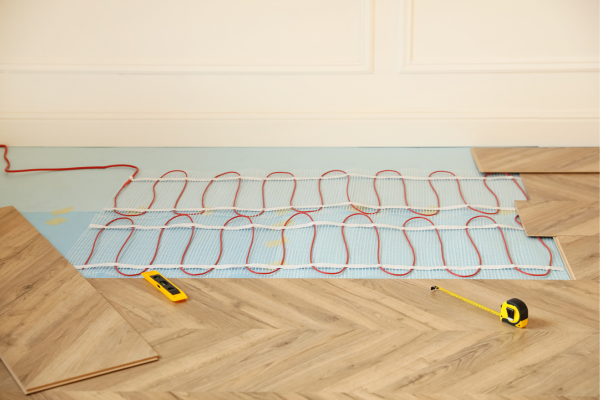
Radiant heat is the quiet luxury of a Colorado mountain home. Warm floors on a subzero morning feel incredible, and the system stays invisible beneath your feet. But that same comfort punishes the wrong flooring relentlessly. Every day, your subfloor heats up, cools down, and heats up again. Over months, that cycle either strengthens a well-chosen floor or slowly destroys a poorly matched one.
After two decades of installing radiant systems across Eagle County, we can tell you exactly which floors survive and which ones fail. The difference almost always comes down to construction, species, and moisture control rather than luck.
Why Radiant Heat Is So Hard on Flooring
Wood is hygroscopic, meaning it absorbs and releases moisture constantly. Radiant heat accelerates this by drying the underside of your floor far faster than the top. When the bottom shrinks and the top does not, boards cup, gap, and crack along the grain.
At 6,500 to 9,000 feet, this problem intensifies. Winter indoor humidity often plummets below 15 percent, and radiant heat pulls even more moisture out. The result is a floor fighting itself daily. The species and construction you choose either absorb that stress or amplify it.
Which Floors Survive the Cycle
Engineered Hardwood Is the Clear Winner
Engineered hardwood’s cross-laminated core layers run in opposing directions, canceling out much of the expansion and contraction that wrecks solid wood. This dimensional stability is precisely why we recommend it for most radiant applications. If you want the full reasoning, our breakdown of engineered wood flooring built for Colorado’s climate explains the science in depth.
Quartersawn and Riftsawn Boards
Quartersawn and riftsawn cuts outperform plainsawn boards over radiant heat. Their tighter, more vertical grain moves less across the width, making them a smart choice for luxury installations that demand real wood over a heated slab.
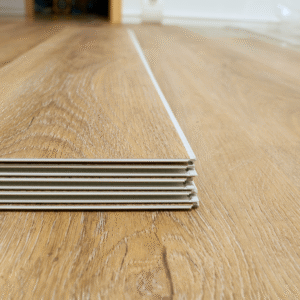
Luxury Vinyl Plank
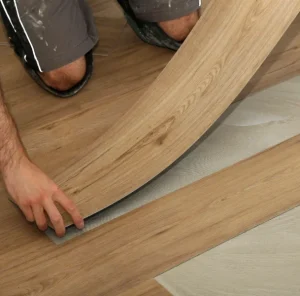
LVP deserves an honest mention. In mudrooms, basements, and rentals where performance beats prestige, high-quality luxury vinyl plank flooring handles radiant heat beautifully and never worries about humidity swings.
Which Floors Crack and Fail
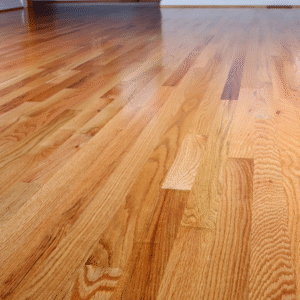
Wide Solid Plank Hardwood
Wide solid plank is the most common casualty. The wider the solid board, the more dramatic its seasonal movement, and radiant heat magnifies that movement. We regularly get called to homes where gorgeous solid wide-plank floors have opened gaps wide enough to lose a coin.
Improperly Acclimated Wood
Wood that skips proper acclimation is a guaranteed failure. It must adjust to your home’s real conditions before installation, and rushing this step over a radiant slab is a recipe for cupping within the first heating season.
High Movement Species in Wide Formats
Species that move heavily, such as certain domestic maples and hickories in wide formats, react poorly to aggressive drying. Choosing the right species for your specific system is a decision worth slowing down for.
The Details That Actually Prevent Cracking
Surviving the cycle is not only about product selection. Installation discipline matters just as much.
- Slab moisture testing before anything goes down. A slab that reads too high traps moisture that will eventually destroy the floor.
- Gradual system startup. Radiant heat should be brought up and down in controlled increments, never blasted from cold to hot.
- Proper acclimation measured with a moisture meter, not a calendar guess.
- Correct adhesive and underlayment are rated for radiant applications, so heat transfers efficiently without trapping vapor.
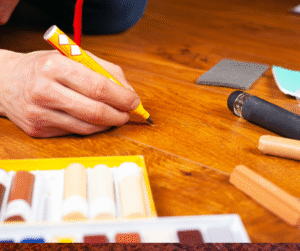
Skipping any one of these is where most radiant flooring nightmares begin. This is also why radiant installations are not the place for shortcuts. When something does go wrong, our hardwood floor repair team in Eagle County can often save boards that a less experienced crew would rip out entirely.
What We Recommend for Eagle County Homes
For most radiant-heated homes here, we steer clients toward engineered hardwood in a species and finish suited to their space, or a premium LVP where durability is the priority. When a client insists on solid wood, we guide them toward narrower boards, stable species, and quartersawn cuts, then manage acclimation meticulously.
The goal is simple. Your floor should look stunning on day one and still look stunning after ten winters of radiant cycling. That outcome is entirely achievable with the right plan and completely out of reach without one.
Get It Right the First Time
Radiant heat and hardwood can absolutely coexist, but only when the product, the species, and the installation all respect the daily cycle your floor endures. If you are building, remodeling, or replacing a floor that has already failed, talk to us before you commit to a product. Explore our full approach to hardwood flooring across the Vail Valley, then reach out for honest, altitude-tested guidance tailored to your home.