An Honest Comparison of Laminate vs Engineered Hardwood for Colorado Mountain Home Buyers on a Budget
Budget matters. Not every mountain home buyer in Edwards or Dotsero is working with an unlimited flooring budget, and pretending otherwise helps no one. The question many homeowners face is whether laminate flooring can deliver acceptable performance at altitude, or whether engineered hardwood is worth the additional investment.
The honest answer is that both products have a place, and the right choice depends on your specific situation, expectations, and how long you plan to own the home. Understanding the real differences helps you make a decision you will not regret.
What Laminate Flooring Actually Is
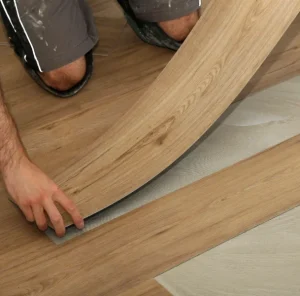
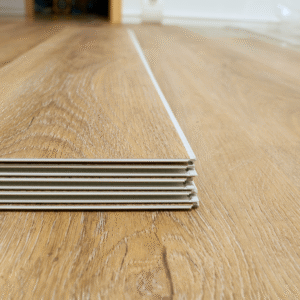
Laminate is a synthetic product made of four layers. The bottom is a stabilizing backer. Above that sits a high-density fiberboard (HDF) core. A photographic image layer creates the visual appearance of wood or stone. A wear layer on top provides scratch and stain resistance.
Laminate is not wood. It contains no real wood in its visible surface. It is a manufactured product designed to look like wood while offering specific performance advantages at a lower price point.
What Engineered Hardwood Actually Is
Engineered hardwood is real wood. The top layer is a veneer of genuine hardwood, typically between 2mm and 6mm thick. Below that, multiple layers of plywood or HDF are bonded in a cross-grain pattern that resists the expansion and contraction solid wood experiences.
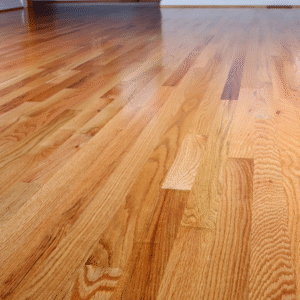
When you walk on engineered hardwood, you are walking on real wood. You can feel the grain, see natural variation, and over time the floor develops the character that only genuine wood provides.
Performance at Colorado Altitude
Both products must handle the extreme humidity swings that mountain living produces. This is where the differences become meaningful.
How Laminate Handles Altitude
Modern laminate is relatively stable dimensionally. The HDF core does not respond to humidity as dramatically as solid wood. However, it is not immune. Gaps can develop at joints during very dry winters, and the click-lock connections can loosen if the product was not acclimated properly before installation.
How Engineered Hardwood Handles Altitude
Engineered wood flooring is specifically designed for environments with humidity variation. The cross-laminated core resists movement across its width, which is the direction where gapping occurs. For Colorado’s climate, this construction is purpose-built.
Durability and Longevity
This is where the two products diverge significantly.
Laminate Lifespan
Quality laminate lasts 15 to 25 years with proper care. However, it cannot be refinished. When the wear layer degrades, the photographic layer beneath is exposed and damaged. At that point, the only option is replacement. Scratches that penetrate the wear layer are permanent.
Engineered Hardwood Lifespan
Engineered hardwood with a sufficient wear layer can be sanded and refinished two to four times over its life, depending on veneer thickness. This extends its functional lifespan to 30 to 50 years or more. Scratches and wear can be addressed through refinishing rather than replacement.
The Look and Feel Difference
This is subjective but important.
Laminate Visual Limitations
Modern laminate printing technology is remarkably good. From a distance, quality laminate can be difficult to distinguish from real wood. Up close, the repetition of patterns becomes noticeable, and the surface texture is uniform in a way that real wood is not. The sound underfoot is also different, with laminate producing a slightly hollow, clicking quality.
Engineered Hardwood Authenticity
Engineered hardwood looks, feels, and sounds like wood because it is wood. Each plank is unique. The grain is real. The texture is natural. In a mountain home where natural materials and craftsmanship are valued, this authenticity often matters to the homeowner.
Cost Comparison for Edwards and Dotsero Buyers
Budget is the primary reason homeowners consider laminate, so the numbers matter.
Laminate Costs
Quality laminate suitable for mountain conditions typically runs $3 to $7 per square foot for materials, plus installation. Total installed cost is often $6 to $10 per square foot depending on subfloor conditions and complexity.
Engineered Hardwood Costs
Quality engineered hardwood ranges from $6 to $15 per square foot for materials, plus installation. Total installed cost is typically $10 to $20 per square foot, with premium products and complex installations running higher.
The Long View
Laminate costs less today but will need full replacement in 15 to 25 years. Engineered hardwood costs more today but can be refinished multiple times, potentially lasting the life of the home. For homeowners planning to stay long term, the per-year cost often favors engineered hardwood.
Where Each Product Makes the Most Sense
Laminate Works Best For
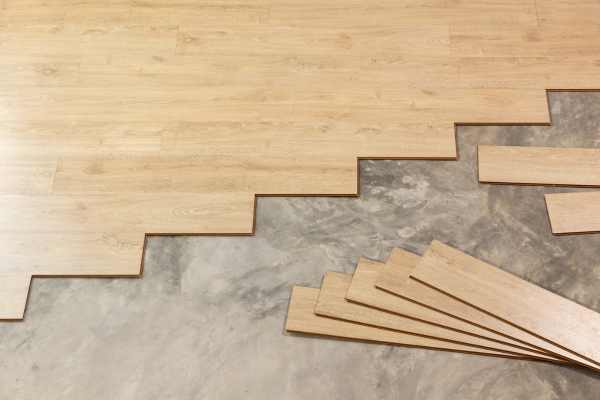
Guest bedrooms, rental properties with short hold periods, children’s play areas, and spaces where budget is the primary constraint. Laminate flooring installation delivers attractive, durable results in these applications without overinvesting.
Engineered Hardwood Works Best For
Living areas, kitchens, primary bedrooms, and any space where the homeowner values long-term durability, authentic appearance, and the ability to refinish. For mountain homes intended as long-term residences, it is typically the stronger investment.
Make the Decision That Fits Your Situation
Neither product is universally better. The right choice depends on your budget, timeline, lifestyle, and expectations. What matters is understanding the real tradeoffs rather than making assumptions based on price alone.