How to Maintain Floors in Eagle Homes with Radiant Heat or Heated Floor Systems
A floor is more than just a surface; it’s where life happens, footsteps echo, and comfort meets function. In Eagle homes with radiant heat or heated floor systems, maintaining that surface requires understanding both the heat system beneath and the flooring type above. Radiant floors deliver warmth directly from below, whether through hydronic systems using heated water or electric radiant systems using cables or mats. This direct heat enhances energy efficiency, provides even heat across the room, and can be a blessing for people with allergies, as it distributes allergens far less than forced-air systems. But to keep your floors safe, beautiful, and long-lasting, homeowners must adopt careful maintenance strategies that respect both the wood flooring and the radiant heating technology beneath.
Essential Floor Maintenance Practices for Homes with Radiant Heat
Radiant floor heating is a sophisticated system, and like all high-tech home investments, it thrives when paired with thoughtful floor care. Floors in homes with radiant heat require practices that ensure the heat system operates efficiently while preserving the beauty and durability of your floor covering, whether tile, hardwood flooring, or engineered wood.
Daily Habits That Protect Floors Exposed to Consistent Radiant Heat
Daily habits are small, but their impact is massive. Simple practices, like avoiding excessive moisture on the floor surface, using mats in high-traffic areas, and monitoring floor heat output, protect both hardwood flooring and tile floors. Radiant heat delivers gentle warmth upward, but wood floors expand and contract with heat, and daily mindfulness prevents scratches, warping, or damage. Installing furniture pads and controlling foot traffic can help maintain the finish and integrity of the flooring type while ensuring the heating system works efficiently.
How to Support Even Heat Distribution Across Radiant Floors
Uneven heat, cold spots, or high-output zones can stress floors. Hydronic systems rely on the consistent flow of hot water through tubing located beneath the floor, whereas electric systems utilize heating cables or mats. Both require that homeowners monitor thermostats and maintain proper insulation to prevent heat loss. Even heat helps maintain floor stability, reduces the risk of warping in hardwood flooring, and maximizes the energy efficiency and heat output of the radiant floor heating system.
Temperature Settings That Prevent Stress on Heated Floors
Maintaining appropriate floor heat is crucial. Extreme temperatures can dry out hardwood flooring, creating cracks or gaps. Systems typically allow homeowners to adjust thermostats to safe levels that protect the flooring type and maintain comfort. Radiant heat also gently warms the floor surface, so setting the system to maintain consistent, moderate warmth helps preserve the life of both the heating elements and the flooring.
Maintaining Hardwood Floors Installed Over Radiant Heating Systems
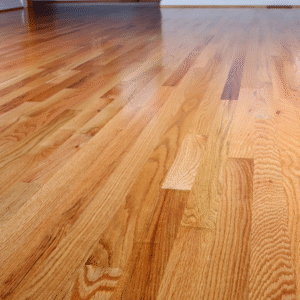
Hardwood floors require special attention when installed over radiant heating systems. Wood is a living material; it expands and contracts in response to heat and humidity. Radiant heat also accelerates drying effects, making preventive maintenance critical for long-term floor health.
How Radiant Heat Influences Wood Movement, Expansion, and Contraction
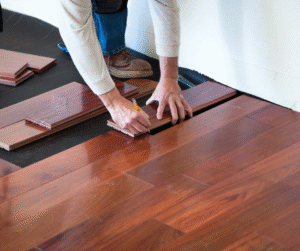
Radiant heat moves upward from hydronic systems or electric floor heating, causing wood fibers to expand and contract naturally. Proper spacing during installation and monitoring the heat system’s settings helps prevent gapping or buckling. Engineered wood may handle these fluctuations better than solid hardwood, but all wood floors require careful attention to avoid long-term damage from thermal expansion.
Protecting Hardwood from Humidity Fluctuations Caused by Heat Systems
Radiant floors, unlike forced-air systems, provide gentle and even heat, but they can reduce ambient humidity, leading to drying in hardwood flooring. Homeowners should use humidification strategies or carefully monitor indoor humidity to ensure floors remain stable. Avoiding sudden temperature swings and maintaining consistent radiant heat prevents damage to the floor surface while optimizing comfort.
Preventing Surface Wear and Damage in Heated Floor Environments
Daily movement, furniture placement, and accidental spills are amplified when heat is involved. Using protective mats in high-traffic areas, controlling direct sunlight exposure, and monitoring radiant floor heat ensure that wood flooring remains smooth and scratch-free. Proper maintenance extends the life of your hardwood flooring and allows the radiant heating system to operate at peak efficiency without harming the surface above.
Caring for Floors Installed Over Electric Radiant Systems
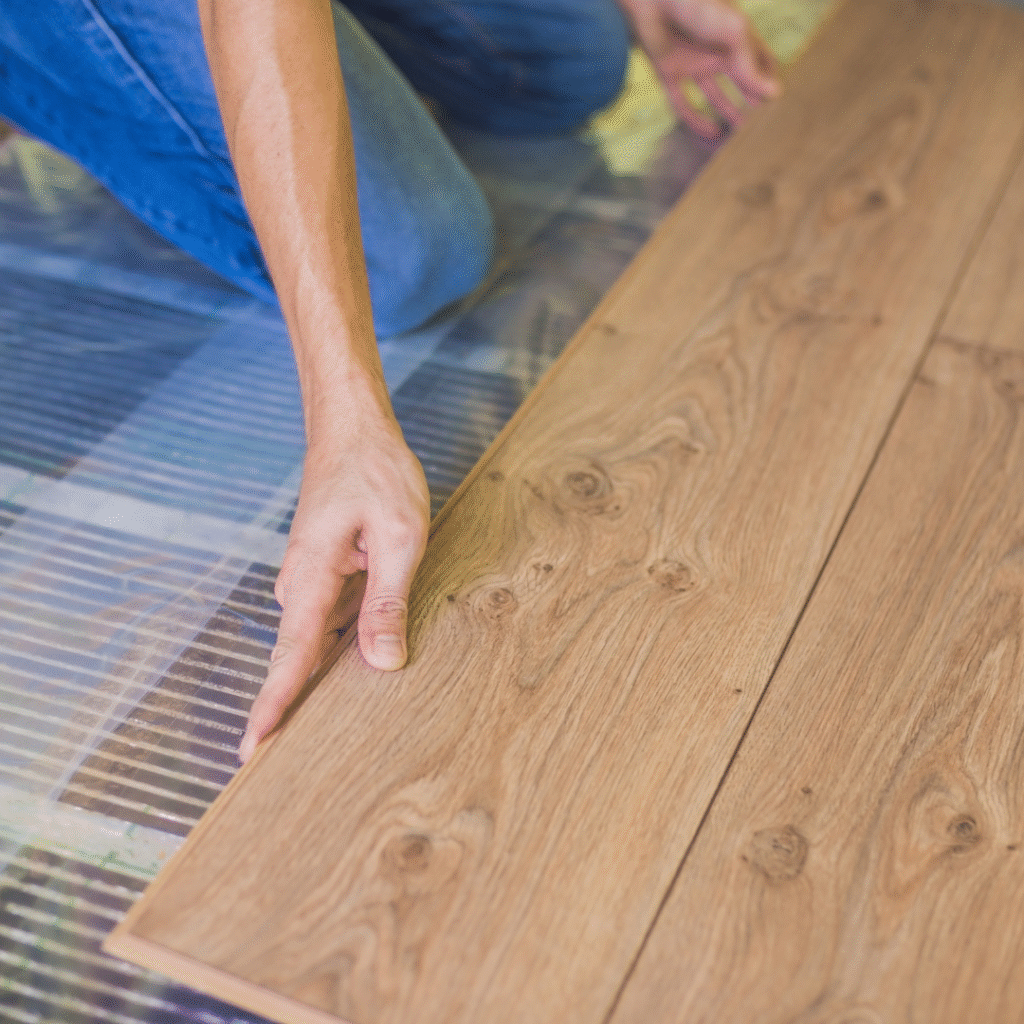
Electric radiant floor systems use heating cables or mats installed beneath the floor surface to provide direct heat. These systems offer efficient heating but require attention to preserve floor integrity and prevent electrical or thermal stress.
Electric Radiant Floor Heating Considerations for Long-Term Floor Protection
Electric radiant systems deliver heat directly through the floor, offering comfort and energy efficiency. Homeowners should ensure that flooring adhesives, floor coverings, and insulation are compatible with the electric heating system. Improper materials can trap heat, cause uneven heat transfer, or reduce energy efficiency. Understanding the system beneath your floor is essential to long-term protection.
Electric Floor Heating System Behaviors That Influence Maintenance Needs
Electric systems can develop cold spots if heating cables degrade or insulation shifts. Monitoring thermostat performance, checking for uneven heating, and ensuring proper installation prevent stress on floor coverings and maintain consistent heat. Correct operation of electric heating technology ensures floors remain safe, comfortable, and visually appealing over time.
Long-Term Floor Care Strategies for Homes with Radiant Heat
Long-term strategies go beyond daily habits; they focus on preventing cumulative damage and extending the life of both the floor and the heat system.
Seasonal Practices to Maintain Floors with Radiant Floor Heat
Seasonal fluctuations affect both radiant floors and flooring types. Adjusting thermostat settings to prevent extreme temperature changes, monitoring humidity, and checking for signs of expansion or contraction in wood floors keep floors stable. Seasonal care also helps maximize energy savings and efficiency, ensuring consistent, even heat throughout the year.
How to Extend Floor Lifespan When Using Radiant Heating Technology
Radiant heating technology is highly efficient, but flooring types above it must be respected. Periodic inspections, proper floor coverings, and careful attention to the heat system reduce wear on hardwood floors and tile floors. Understanding how radiant heat interacts with the floor surface allows homeowners to enjoy both energy-efficient heating and long-lasting beauty.
Final Considerations for Maintaining Floors Over Radiant Heat Systems
Maintaining floors with radiant heat requires a combination of knowledge, attentiveness, and respect for the heating technology beneath. Radiant floor systems, whether hydronic or electric, deliver comfortable, energy-efficient heating and reduce allergens compared to forced-air systems. By protecting your floor surface, monitoring heat system performance, and understanding the relationship between heat, flooring type, and humidity, homeowners ensure their Eagle homes remain cozy, beautiful, and durable. Proper care of radiant floors is an investment in comfort, longevity, and peace of mind that pays off year after year.