How to Keep Hardwood Floors Looking New After Ski Season in Vail
Vail’s ski season brings unforgettable powder days, and an avalanche of mess for your home’s hardwood floors. Between melting snow, tracked-in salt, and dry mountain air, your floors endure months of abuse. When the ski boots are packed away, your floors deserve as much post-season recovery as you do. This guide uncovers how to protect, clean, and restore your hardwood floors so they stay stunning and strong long after ski season ends.
Why Ski Season Is So Tough on Hardwood Floors
Vail’s winter wonderland may be breathtaking, but for hardwood floors, it’s brutal. Ski gear, snowmelt, and abrasive salt crystals can leave fine scratches, water stains, and dull patches that age your floors faster than any other season. Understanding why ski season is so damaging helps homeowners and property managers take proactive steps before long-term harm sets in. With the right hardwood floor maintenance plan, you can safeguard your investment against the winter’s hidden hazards.
How Snow, Salt, and Grit Sneak Into Your Home After a Day on the Slopes
After a long day on the mountain, every step inside carries tiny invaders, grit, salt, and melting snow. These elements creep into the seams of your floors, where they can grind down the finish and cause permanent damage. Even high-end wood flooring isn’t immune to the slow abrasion that occurs when winter debris meets soft, polished surfaces.
The Hidden Damage Winter Moisture Causes to Hardwood Floors
Moisture is the silent enemy of hardwood floors. Even small puddles from snow-caked boots can warp boards, dull finishes, or lead to discolored spots. The constant cycle of melting and drying out stresses wood fibers, especially in high-traffic areas, creating uneven textures and a patchy appearance.
Why Vail’s Winter Conditions Demand Extra Hardwood Floor Care
Vail’s alpine climate, with its subzero nights and ultra-dry indoor air, creates unique challenges for maintaining hardwood. Constant temperature fluctuations and heated interiors pull moisture from the wood, leading to cracking, shrinking, and gapping. A bit of strategic seasonal care can keep your floors stable and beautiful through these extremes.
Preventing Snow and Salt Damage to Hardwood Floors
Snow and salt are among the biggest threats to hardwood during ski season. Each step indoors can introduce salt particles that act like tiny shards of glass, scratching and wearing down the finish. Once melted, the water can seep into seams and edges, leaving behind a trail of damage. Preventing this requires a barrier-based approach, protecting entry points, controlling moisture, and keeping outdoor elements from reaching your floors in the first place.
How to Protect Entryways from Melted Snow and Ice
The best defense begins at the door. Equip entryways with heavy-duty mats and boot trays designed to absorb moisture and trap debris before it spreads. Consider a dual-mat system, one outside and one inside, to catch the snow and salt that slips through.
Tips to Keep Your Floors Clean During Ski Season
Clean floors aren’t just about appearance; they’re about protection. During ski season, sweep or vacuum floors regularly to remove abrasive particles. Use a soft, microfiber mop for quick touch-ups and a hardwood-safe cleaner to lift dirt without soaking the floor.
Using Mats, Boot Trays, and Barriers to Reduce Floor Damage
Small additions go a long way. Felt pads on furniture legs, water-absorbent mats, and even designated “gear zones” can drastically minimize wear. Keeping wet gear off the floors prevents moisture from seeping into joints and causing long-term warping or discoloration.
The Role of Humidity and Dry Air After Ski Season
As temperatures drop, indoor air becomes drier, a serious concern for hardwood floors. Vail’s cold, dry climate, coupled with constant heating, can pull moisture from your wood, leading to cracking and gapping. Managing indoor humidity levels after ski season is essential for helping your floors recover and preventing future structural damage. Proper humidity control not only preserves your floors’ integrity but also enhances comfort throughout your home.
How Vail’s Winter Air Can Dry Out Hardwood Floors
Dry air draws moisture directly from the wood, causing it to contract. This leads to gaps between planks, creaking sounds, and even splitting in severe cases. Floors in ski homes are especially vulnerable due to the extended heating season and high elevation.
Balancing Indoor Humidity to Prevent Cracking and Gapping
Using a humidifier to maintain optimal indoor humidity, between 35% and 55%, can help your floors stay stable. This balance keeps wood fibers hydrated enough to resist cracking while reducing static and dryness throughout your home.
Why Seasonal Moisture Control Is Essential for Post-Ski Floor Recovery
When ski season ends, humidity levels fluctuate again. Gradually rebalancing your home’s air moisture helps your floors adjust naturally, minimizing stress on wood fibers. Seasonal control ensures that your floors transition smoothly from winter’s dryness to spring’s thaw.
Deep Cleaning and Maintenance After Ski Season Ends
Once ski season wraps up, your hardwood floors deserve a fresh start. Months of salt residue, grime, and dust can linger unseen in micro-scratches and corners. Deep cleaning helps eliminate buildup, protect finishes, and restore the natural warmth of your flooring. This post-season routine not only revives beauty but also strengthens long-term durability.
How Deep Cleaning Removes Salt Residue and Grime
Professional-grade cleaners remove stubborn salt deposits and invisible residue that regular mopping can’t reach. This deep clean restores the floor’s original color and smoothness, preparing it for refinishing if necessary.
Hardwood Floor Refinishing to Restore Shine and Protection
After a harsh winter, refinishing gives your floors a second life. Reapplying a protective seal helps guard against scratches, spills, and UV fading, ensuring your floors stay radiant well into next ski season.
When to Schedule Professional Hardwood Floor Maintenance
Post-ski maintenance by flooring professionals helps identify hidden issues like moisture damage, warping, or surface dulling. Early intervention prevents small issues from becoming expensive repairs later on.
Post-Ski Season Care to Keep Hardwood Floors Looking Their Best
Your hardwood floors are more than just a surface; they’re part of your home’s character. After months of heavy traffic, they deserve consistent, thoughtful care. Establishing year-round maintenance habits ensures that your floors continue to reflect the beauty and craftsmanship that make mountain homes in Vail so special.
Essential Tips to Keep Your Hardwood Floors Beautiful After Winter
Vacuum and dust your floors regularly, clean up spills immediately, and maintain consistent indoor air conditions. These simple habits can preserve your floor’s finish and prevent the buildup of grime and micro-scratches.
Preventing Long-Term Damage from Seasonal Wear
Protect against wear by using felt pads, avoiding high heels on wood surfaces, and placing area rugs in high-traffic zones. These small efforts compound over time, preventing dullness and structural damage.
Maintaining Floors So They Shine Long After Ski Season
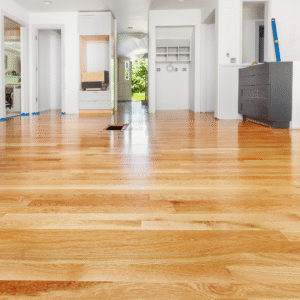
Even after the snow melts, the beauty of your hardwood floors should endure. With regular maintenance, balanced humidity, and seasonal awareness, you can keep your floors looking new year after year, proof that luxury and longevity can thrive even in the heart of Vail’s winter.