The 5 Worst Flooring Mistakes We See in Vail Valley Homes
After more than 20 years installing and repairing floors across the Vail Valley, we have developed a sixth sense for trouble. We can usually spot a floor that was set up to fail the moment we walk in. The frustrating part is that almost none of these failures are about bad taste or a small budget. They are about decisions made without understanding what a floor is actually up against at 8,000 feet. Below are the five mistakes we are called in to fix most often, and how to avoid making them in the first place.
1. Choosing the Wrong Floor for the Environment
This is the big one, and it causes more expensive failures than everything else combined. At sea level, engineered and solid hardwood are mostly a matter of preference. Up here they are not interchangeable. A solid plank moves as a single piece, and in a home with radiant heat, part-time occupancy, or a cold crawl space below, it will expand and contract hard enough to gap, cup, or crack.
We see it constantly: a beautiful solid floor installed in exactly the kind of environment that guarantees it will move. Engineered hardwood, with its cross-laminated layers running in opposing directions, is built to stay stable through those swings, which is why it is the right call for most valley homes. If you are weighing the two, our full breakdown of engineered vs. solid hardwood at altitude covers exactly when each one makes sense. Choosing based on looks alone, without matching the construction to the home, is the first domino in most floor failures we see.
2. Skipping Proper Acclimation
Wood needs time to come into balance with the exact environment it will live in before it goes down. Rushing this step, or skipping it entirely to hit a deadline, is one of the fastest ways to ruin an expensive floor.
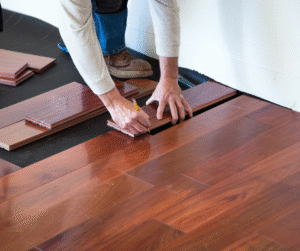
What makes this especially critical in the mountains is how far our target numbers sit from the rest of the country. The same box of flooring acclimated for a home in Miami might be brought up to around 33 percent moisture. Here, we are bringing that identical product down to roughly 8 to 12 percent. Same floor, completely different preparation. Install a board that has not been acclimated to valley conditions and it will keep adjusting after it is nailed or glued down, which is when the gapping and buckling begin. Proper engineered wood flooring installation treats acclimation as mandatory, not optional, and any installer who does not is gambling with your floor.
3. Hiring on Price Instead of Expertise
Everyone thinks they can install a floor. The reality is that there are a lot of parameters and a lot of checklists that have to happen before a single board is even delivered to the job site. Subfloor condition, moisture readings, an acclimation plan, adhesive selection, manufacturer requirements, and environmental conditions all need to be verified, every time.
The floors we get called in to rescue almost always share the same story. Someone hired the cheapest bid, that person skipped the manufacturer’s instructions, never checked subfloor moisture, and ignored the National Wood Flooring Association standards that every professional should follow. Within months, sometimes thousands of square feet of flooring buckles, delaminates, or face-checks, and the repair often costs more than doing it right would have in the first place. It is the whole reason we built The Elevation Standard. In this valley, the difference between a floor that lasts 30 years and one that fails in 30 months usually comes down to who installed it and whether they actually knew what they were doing.
4. Ignoring Humidity Swings After the Floor Goes In
A floor is not finished the day it is installed. It lives inside your home’s climate for decades, and in the Vail Valley that climate is brutal on wood. Indoor humidity can fall below 15 percent in winter and climb past 55 percent during the summer monsoon season. That is one of the widest indoor humidity ranges in the country, and your floor rides it every year.
The mistake we see is treating that as someone else’s problem. Homeowners crank the heat for a visit and turn it off when they leave, or run a dry house all winter with no humidification, and then wonder why gaps open up between boards. Even the right floor, installed perfectly, will struggle if the environment around it is allowed to swing to extremes. Managing indoor humidity, especially adding moisture back in during the dry winter months, is part of owning a wood floor at altitude, not an afterthought.
5. Ripping Out a Floor That Could Have Been Saved
The last mistake goes the other direction. Plenty of homeowners assume a tired, scratched, or damaged floor has to be torn out and replaced, when the bones are often still perfectly good. We have seen water damage from a burst pipe, scratches from 15 seasons of ski boots, and gaps from a floor that was never acclimated properly, and in a great many of those cases the floor did not need replacing at all.
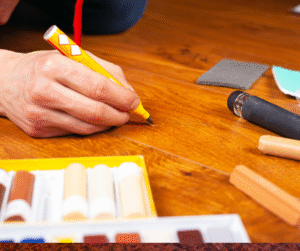
Most solid and thicker engineered floors can be refinished, and many problems are localized enough for flooring repair rather than a full tear-out. Sanding, staining, and refinishing can bring a decades-old floor back to life for a fraction of the cost and disruption of a full replacement. Before you commit to tearing everything out, it is worth having someone who knows these floors take a look at what can actually be saved. Sometimes the smartest, least expensive option is the one nobody offered you.
The Common Thread
Every one of these mistakes traces back to the same root cause: treating a mountain floor like a sea-level floor. The product, the acclimation, the installer, the humidity, and even the decision to repair or replace all have to account for what this valley throws at wood. Get those right and a hardwood floor will reward you for generations. Get them wrong and the damage can show up within a single season. If you are planning a new floor or worried about one you already have, the honest first step is simply having someone assess your specific home before any money is spent.