What Every Vail Homeowner Should Know Before Choosing European Oil Finishes
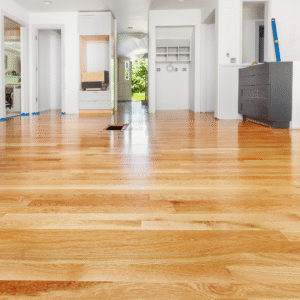
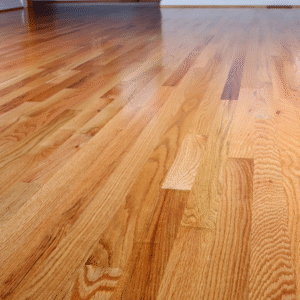
Walk into any recently designed luxury home in Vail, and there is a strong chance the hardwood floors beneath your feet have been treated with a European oil finish. The look is unmistakable: a rich, natural grain that seems to glow from within, a soft matte texture that feels warm to the touch, and a depth of color that polyurethane simply cannot replicate.
European oil finishes have become one of the most requested flooring treatments in the Vail Valley, and for good reason. But before you commit to this premium finishing option, there are essential details every homeowner should understand about how these finishes work, how they perform in Colorado’s mountain climate, and what maintenance they require.
What Are European Oil Finishes?
European oil finishes, including products from brands like Rubio Monocoat, Woca, and Pallmann, penetrate directly into the wood fibers rather than sitting on top of the surface like traditional polyurethane. Instead of creating a plastic-like film over the wood, oil finishes bond with the cellular structure of the wood itself, hardening within the grain to create a durable, natural-feeling surface.
The result is a floor that looks and feels like real, raw wood while still being fully protected against daily wear, moisture, and staining. This penetrating protection is fundamentally different from the surface coating approach of polyurethane and delivers a distinctly different aesthetic.
Why Vail Homeowners Are Choosing Oil Over Polyurethane
The trend toward European oil finishes in Vail is driven by several factors unique to mountain living and contemporary design preferences.
Authentic Natural Beauty
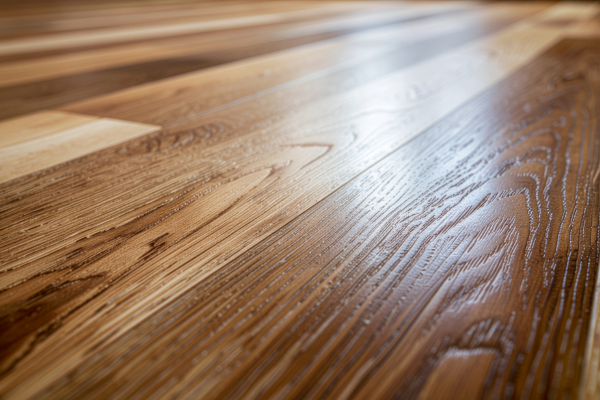
Oil-finished floors showcase the true character of the wood. Every grain pattern, mineral streak, and natural variation is visible and celebrated rather than hidden beneath a glossy film. In Vail’s mountain homes, where the design philosophy often centers on connecting with natural materials, oil finishes align perfectly with the aesthetic vision.
Low Sheen, Modern Aesthetic
The matte, low-sheen appearance of oil-finished floors has become the defining look of contemporary mountain interiors. Designers and architects throughout the Vail Valley consistently specify oil finishes for their ability to create warmth without the reflective glare that high gloss polyurethane produces.
Spot Repairability
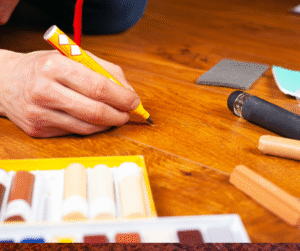
One of the most powerful advantages of oil finishes is the ability to repair individual areas without refinishing the entire floor. If a section of an oil-finished floor is scratched, stained, or damaged, that specific area can be sanded lightly and re-oiled to blend seamlessly with the surrounding floor. With polyurethane, spot repairs are virtually impossible because the surface coating creates visible lap marks and sheen differences.
This repairability is especially valuable in Vail homes where high-traffic entryways and mudrooms take heavy abuse during ski season. Instead of refinishing an entire floor, you can restore the worn area quickly and affordably.
Compatibility With Radiant Heat
Oil finishes are inherently flexible because they move with the wood rather than creating a rigid film on top. This flexibility makes oil-finished floors exceptionally compatible with radiant heating systems, which are standard in many Vail homes. As wood expands and contracts with temperature changes, oil finishes flex along with it without cracking or peeling.
What to Expect With Maintenance
European oil finishes require a different maintenance approach than polyurethane, and understanding this commitment before choosing is essential.
Regular Cleaning
Daily maintenance is straightforward: sweep or vacuum to remove grit and dust, then clean with a manufacturer-recommended soap specifically formulated for oil-finished floors. Woca and Rubio Monocoat both offer dedicated cleaning products designed to work with their finishes. Standard household cleaners, including vinegar and multipurpose sprays, should never be used on oil-finished floors as they strip the protective oils from the wood.
Periodic Re-Oiling
Unlike polyurethane, which lasts for years before requiring a full sand and refinish, oil finishes need periodic refreshing. High traffic areas like kitchens, hallways, and entryways typically need re-oiling once or twice a year. Lower traffic rooms may only need attention every two to three years. Re-oiling is a simple process that homeowners can learn to do themselves or have their flooring professional handle during a routine maintenance visit.
Honest Expectations for Busy Households
If your Vail home functions as a full-time residence with children, pets, and heavy winter traffic, oil finishes will require more frequent maintenance than polyurethane. This is not a drawback for homeowners who value the aesthetic and repairability benefits, but it is a factor that should be weighed honestly during the decision process.
Choosing the Right Wood Species for Oil Finishing
Not every wood species responds equally well to oil finishes. White oak is the gold standard for oil-finished floors because of its open grain structure, which absorbs oil deeply and evenly, producing a rich, consistent appearance. European oak from mills in Germany, Austria, and Scandinavia is especially popular in Vail for its refined grain character and compatibility with natural oil systems.
Hickory, maple, and other closed-grain species can also be oil finished, but they absorb oil differently and may require additional coats or specialized application techniques to achieve an even result. Your flooring professional should have direct experience finishing your chosen species with the specific oil product being used.
Why Expertise Matters With European Finishes
Applying European oil finishes correctly requires specialized training and hands-on experience. The application process involves precise oil quantities, specific buffing techniques, controlled drying times, and an understanding of how different wood species absorb oil. Over-application creates a sticky, uneven surface. Under application leaves the wood unprotected.
Vail Valley Hardwoods is one of the only flooring companies in the region that holds Woca Natural Oil Finishes certification. Our team has attended finishing classes in Denmark and visited manufacturing facilities across Europe. This level of training ensures that your oil-finished floors are applied correctly from the first coat, delivering the beauty, protection, and longevity that these premium products are designed to provide.