How Radiant Heat Systems Affect Your Flooring Choices in Edwards and Avon
Radiant floor heating has become one of the most sought-after features in mountain homes across Edwards and Avon, CO. Instead of relying on forced air systems that push dry, dusty heat through vents, radiant systems deliver warmth directly through the floor surface, creating even, consistent comfort from the ground up.
But here is what many homeowners discover too late: not every flooring material is compatible with radiant heat. The wrong choice can lead to warping, cracking, gapping, or poor heat transfer that renders your expensive heating system virtually useless. Making the right flooring decision from the start saves thousands of dollars in repairs and replacements down the road.
Why Radiant Heat Is So Popular in the Vail Valley
Edwards and Avon sit at elevations above 7,000 feet, where winters are long, temperatures regularly drop below zero, and heating your home accounts for a significant portion of your energy costs. Radiant floor heating appeals to mountain homeowners for several compelling reasons.
Superior Energy Efficiency
Radiant systems heat objects and people directly rather than heating the air. This means less energy waste and lower utility bills compared to traditional forced air heating. In well-insulated mountain homes, the savings are substantial over the course of a Colorado winter.
Elimination of Dry, Dusty Air
Forced air systems circulate dust, allergens, and pet dander throughout your home while stripping moisture from the indoor environment. Radiant heating eliminates ductwork, keeping the air cleaner and more comfortable during the dry mountain months.
Silent, Even Warmth
There are no fans, no blowers, and no cold spots. Radiant heat rises gently and uniformly from the floor, creating a level of comfort that forced air systems simply cannot replicate. Walking barefoot on a warm floor during a January snowstorm in Edwards is an experience every homeowner deserves.
How Radiant Heat Impacts Flooring Performance
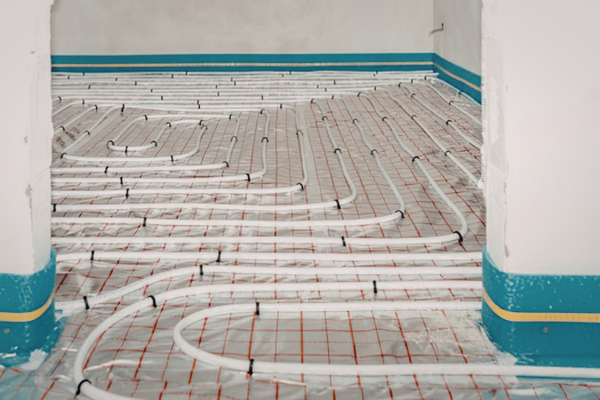
Radiant heating systems operate by circulating warm water through tubing installed beneath the floor surface. The flooring material must conduct that heat efficiently while remaining dimensionally stable through constant heating and cooling cycles.
Thermal Conductivity Matters
Some materials transfer heat exceptionally well, while others act as insulators that block warmth from reaching the room. Thick, dense materials with poor conductivity force your heating system to work harder and deliver less noticeable results. Thin, conductive materials allow heat to pass through quickly and evenly.
Dimensional Stability Is Critical
As radiant systems cycle on and off throughout the day, flooring materials expand and contract repeatedly. Materials that cannot handle these thermal fluctuations will develop gaps, cupping, crowning, or cracks over time. Stability under heat is the single most important performance factor for radiant compatible flooring.
The Best Flooring Options for Radiant Heat in Edwards and Avon Homes
Based on over 20 years of installation experience in the Vail Valley, certain flooring materials consistently outperform others over radiant heat systems.
Engineered Hardwood Flooring
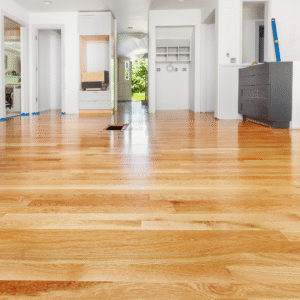
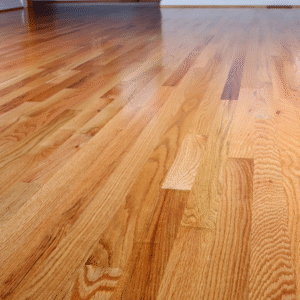
Engineered hardwood is the premier choice for radiant heat applications in mountain homes. Its cross-layered plywood construction resists expansion and contraction far better than solid hardwood. You get the authentic beauty and warmth of real wood with the structural stability that radiant systems demand. Wide plank engineered floors in white oak, European oak, and walnut are particularly popular in Edwards and Avon residences.
Luxury Vinyl Plank Flooring
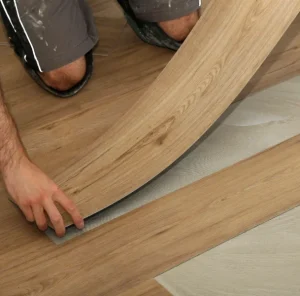
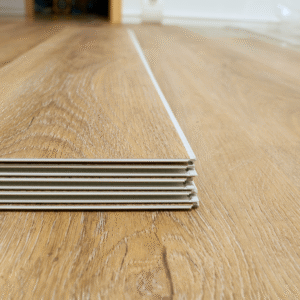
LVP provides outstanding thermal conductivity, waterproof performance, and scratch resistance at a price point below that of hardwood. Modern luxury vinyl plank products replicate the look of real wood so convincingly that even design professionals have difficulty telling the difference. LVP works exceptionally well in entryways, mudrooms, and lower-level spaces where moisture exposure from snow and boots is a concern.
Natural Stone and Tile
Stone and porcelain tile are the most thermally conductive flooring options available. They transfer heat from the radiant system to the room surface faster than any other material. Tile is ideal for bathrooms, kitchens, and spa areas where maximum warmth and water resistance are priorities. Many Edwards and Avon homeowners combine tile in wet areas with engineered hardwood in living spaces for a complete radiant-compatible floor plan.
What to Avoid Over Radiant Heat
Certain flooring materials are poorly suited for radiant applications and should be avoided:
Solid hardwood expands and contracts significantly under heat cycling, leading to gaps in winter and buckling in summer. While some species perform better than others, engineered hardwood is always the safer and more reliable choice.
Thick carpet and pad insulate against heat transfer, dramatically reducing the efficiency of your radiant system. If carpet is desired, only thin, low-pile options with minimal padding should be considered.
Bamboo flooring is highly reactive to temperature and humidity changes. In the dry, high altitude climate of Edwards and Avon, bamboo over radiant heat frequently develops excessive gaps and structural issues.
Professional Installation Is Non-Negotiable
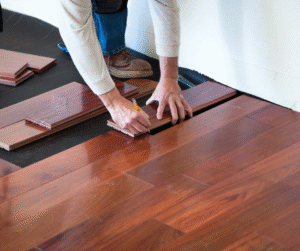
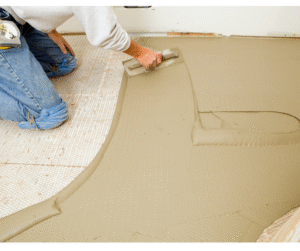
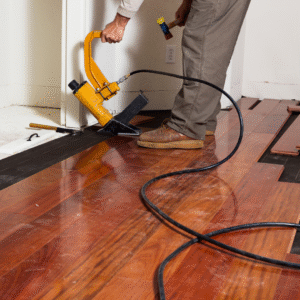
Radiant heat-compatible flooring requires precise installation techniques that differ from standard flooring projects. The heating system must be activated and run for a specific period before installation begins so the subfloor reaches a stable temperature. Flooring materials must acclimate to the home’s environment. Adhesives and underlayments must be rated for radiant applications. Expansion gaps must be calculated based on thermal movement, not just humidity.
A single shortcut in this process can compromise both the flooring and the heating system. Working with an experienced flooring contractor who understands radiant installations is essential.