7 Warning Signs Your Avon Hardwood Floors Need Immediate Attention
Hardwood floors rank among the most prized features in Avon, Colorado homes. They add warmth, character, and serious property value to every room. But mountain living takes a toll that many homeowners underestimate until the damage becomes impossible to ignore. Snow tracked indoors, dry winter air, plumbing leaks, and years of heavy foot traffic quietly degrade hardwood floors from the surface down.
1. Scratches Have Spread Beyond a Few Isolated Marks
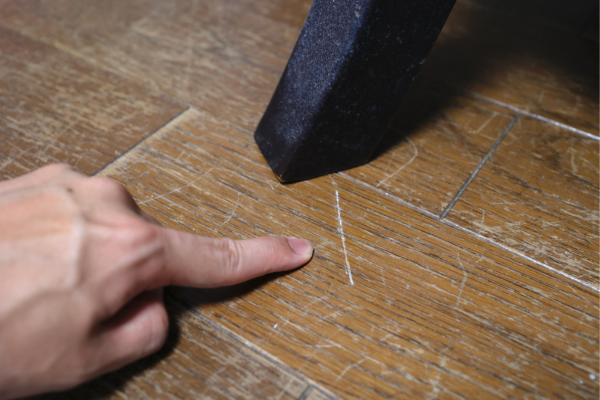
A handful of scratches near the front door is normal. But when scratch patterns cover entire rooms, hallways, and high-traffic paths, your floor’s protective finish has failed. Once scratches penetrate past the finish into the raw wood, moisture and dirt follow, accelerating the damage.
Why Surface Scratches Turn Into Bigger Problems Fast
Exposed wood fibers absorb moisture from spills, humidity, and snow tracked indoors. That moisture causes localized swelling, discoloration, and eventually rot. What starts as a cosmetic issue becomes a structural one.
2. Water Stains or Dark Spots Have Appeared on the Surface
Dark stains on hardwood floors almost always indicate moisture penetration. In Avon, common culprits include snowmelt from boots, leaking appliances, pet accidents, and condensation near exterior doors. These stains signal that water has reached the raw wood and potentially the subfloor beneath.
How Water Damage Hides Beneath the Surface
The visible stain often represents only a fraction of the actual damage. Moisture spreads laterally beneath the finish and seeps into the subfloor, where it can promote mold growth and weaken the structural support. Early professional assessment prevents small stains from becoming major restoration projects.
3. Boards Are Cupping, Crowning, or Warping
Cupping occurs when the edges of a board rise higher than the center, creating a concave shape. Crowning is the opposite, where the center pushes higher than the edges. Both conditions result from uneven moisture exposure, and Avon’s extreme seasonal humidity swings make them particularly common.
What Causes Cupping and Crowning at Altitude
During dry winters, the top surface of hardwood loses moisture faster than the bottom, creating tension that warps the plank. When spring moisture returns, the imbalance reverses. Repeated cycles progressively worsen the warping.
4. Visible Gaps Have Opened Between Planks
Small seasonal gaps are normal in mountain homes. However, gaps that remain year-round, continue widening, or collect visible debris indicate that the wood has permanently lost material or that the original installation lacked proper acclimation.
When Gaps Signal a Deeper Installation Issue
Persistent gaps sometimes reveal subfloor problems, improper fastening, or wood that was installed at the wrong moisture content. A professional inspection identifies the root cause and determines whether gap filling, board replacement, or more comprehensive repair makes the most sense.
5. The Finish No Longer Beads Water
Here’s a simple test every Avon homeowner should try: drop a small amount of water on your hardwood floor. If it beads up and sits on the surface, your finish still provides protection. If the water soaks in and darkens the wood within seconds, the finish has worn through, and your floor is vulnerable.
An Unprotected Floor Deteriorates Quickly
Without a protective finish, every spill, every wet footprint, and every mopping session pushes moisture directly into the wood grain. Deterioration accelerates dramatically once this barrier disappears.
6. Boards Squeak, Bounce, or Feel Soft Underfoot
Squeaking and bouncing often point to subfloor issues rather than problems with the hardwood itself. Loose subflooring, moisture damage to the plywood underneath, or deteriorated adhesive all create movement that you feel and hear with every step.
Soft Spots Demand Immediate Investigation
A soft or spongy area on a hardwood floor is a red flag. It typically means the subfloor has sustained water damage or structural decay. Ignoring soft spots risks a much larger and more expensive repair down the road.
7. Your Floors Look Dull Despite Regular Cleaning
When hardwood floors look perpetually dull, hazy, or gray no matter how often you clean them, the finish has broken down to the point where no cleaning product will restore the shine. The wood itself may also have absorbed surface contaminants that only professional sanding can remove.
Cleaning Products Cannot Replace a Worn Finish
Many homeowners cycle through multiple cleaning products searching for one that restores the original luster. The truth is that no cleaner can rebuild a depleted finish layer. Professional refinishing removes the old finish, sands the wood smooth, and applies fresh protection that brings back the glow.